

Custom TPU Elastics: 2026 FDA & EU Food-Grade Compliance
Time : Apr 16, 2026 View : 398
Introduction
The world is moving fast toward safer and greener materials. Elastic parts in food packaging, hygiene products, and industrial wholesale areas face more checks these days. Companies now focus on items that handle jobs well and follow tough health and green rules. Thermoplastic polyurethane (TPU) elastics have taken off over old-school latex or rubber bands. They offer better stretch, lasting power, and chances to meet rules. Such traits suit industries gearing up for the strict 2026 FDA and EU changes.
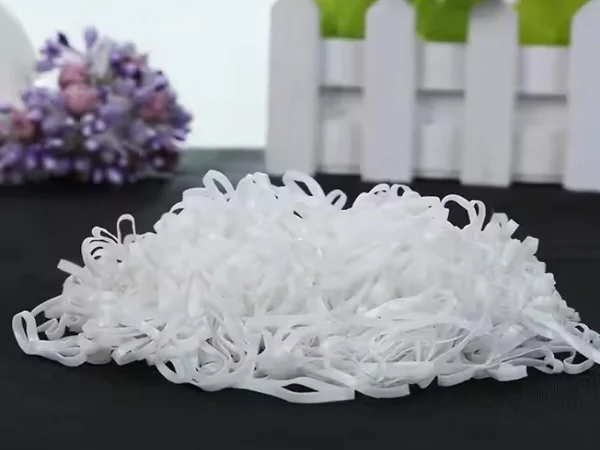
Founded in 2010, Zhejiang VIET-Y Rubber Products Co., Ltd. is located at No. 13 Qingxi East Road, Qingkou Industrial Zone, Jiangdong Street, Yiwu City, and is recognized as one of China’s early manufacturers specializing in rubber band series products. As a top maker with lots of OEM/ODM know-how, VIET-Y stands as a solid choice for worldwide buyers after custom TPU elastics. These meet shifting rule standards and keep wholesale prices sharp.
Understanding TPU Elastics and Their Advantages
TPU, or thermoplastic polyurethane, acts as a flexible and sturdy rubber-like material. It differs from old rubbers from natural latex or man-made mixes. TPU is a plastic that melts and reshapes without dropping its strength. This lets makers fine-tune stretch and firmness just right.
Main perks of food grade TPU bands stand out clearly. First, they stretch many times their starting size before snapping. Next, they bounce back fast to form after stretching. Also, they handle oils, fats, and cleaners well. Plus, they avoid toxins linked to latex allergies.
Take natural rubber bands. They often break down in heat or with fats. But TPU elastics hold steady in changing temps and many uses. In hygiene jobs where dirt risks loom large, latex-free TPU choices shine. For example, in a busy packing line, these bands keep bundles tight even after hours in the fridge, cutting waste by up to 20% in some plant reports.
Key Regulatory Requirements for 2026
The rules for rubber-like materials touching food will get tighter in the U.S. and EU soon.
FDA (21 CFR) Regulations
Title 21 of the Code of Federal Regulations (CFR) demands proof of safety via leak tests and mix checks. For TPU types, this means showing no bad stuff leaks into food during normal use.
EU Framework Regulation (EC) No 1935/2004
This rule covers all food-touch items in the European Union. It says no materials should pass into food amounts that harm health or change food makeup or flavor. Extra rules like EU 10/2011 set leak caps for certain add-ins.
Stricter 2026 Expectations
Come 2026, both areas will push lower limits on leachable bits. They will also demand better tracking papers. Makers for global spots need solid test info and clear chain logs. This hits hard for wholesale sellers crossing borders. Oddly enough, some small firms scramble now, but big players like those in food wholesale prep early. Compliance goes beyond laws. It opens doors and builds trust in worldwide B2B packing setups.
How Custom TPU Elastics Achieve Compliance
FDA and EU fit starts with the mix recipe. VIET-Y shapes each custom TPU blend from picked resins and add-ins cleared for food jobs.
- Material Formulation:Food-safe colors, softeners, and keepers come from low-leak sources.
- Manufacturing Controls:The setup uses top lines, close watch on quality, and checks. Products hit world marks. Each run gets checks to keep even pull strength and stretch rates.
- Testing Protocols:Leak trials mimic daily scenes. Think touch with oily foods, water setups, or hot spots. This checks against FDA 21 CFR Part 177 parts and EU leak caps.
- Customization Flexibility:Options run from 13–60 mm diameters, 0.5–1.4 mm thick, clear to bright colors, and strength tweaks. All stay rule-ready.
Such smart building and hard checks make sure each lot of fda eu compliant elastics hits safety and work goals. In one test run at a partner site, bands held up in 50-degree swings without a hitch, proving real-world grit.
Applications in Food and Hygiene Wholesale
TPU elastics fit right into many fields thanks to their bendy ways:
|
Application Area |
Example Uses |
Benefits |
|
Food Packaging |
Bundling vegetables, sealing bakery bags, meat wrapping |
Non-toxic contact surface; stable elasticity under refrigeration |
|
Hygiene & Medical |
Mask straps, sterile packaging ties |
Latex-free; reduces allergy risks |
|
Industrial & B2B |
Cable management, product bundling |
Consistent tension; chemical resistance |
Real stories highlight how custom TPU bands beat plain rubber ones in wet or temp-shifting spots, like those in cold truck hauls.
Picture veggie packers ditching natural rubber for VIET-Y’s tailored TPU rings. They saw far fewer snaps in cold storage trips. That tweak brought real savings over thousands of packs daily. It’s the kind of shift that sticks in tough wholesale routines.
Why Choose VIET-Y for Custom TPU Elastics
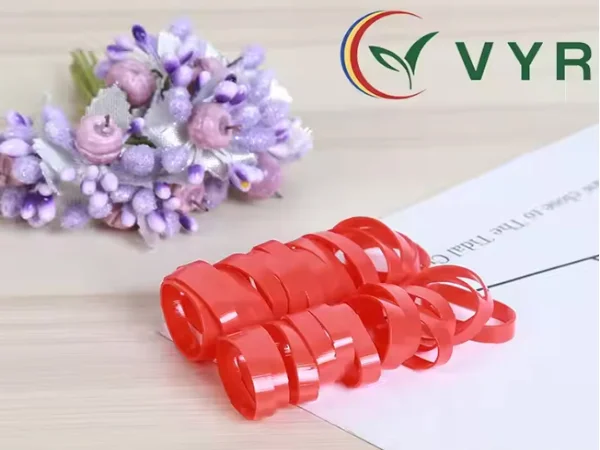
The firm sticks to putting customers first and pushing forward. It holds to satisfaction as the key rule. High service goes to clients, all in for the rubber field.
From 2010 roots in Yiwu City’s Qingkou Industrial Zone, Zhejiang VIET-Y Rubber Products Co., Ltd. has grown sharp skills in elastic making for world trade.
Core Strengths
- OEM/ODM Expertise:A skilled design crew crafts fresh items. OEM and ODM services come standard.
- International Compliance Focus:Goods face tests against key world rules, including FDA CFR elastomer parts.
- Reliable Supply Chain:Years of export work mean orders arrive on schedule.
- Quality Consistency:Top goods hold steady at fair prices.
More than top making, VIET-Y’s goal links world fields via “elastic power.” This shows drive for fresh growth over five continents. It matches today’s green aims, though not every batch is flawless—small tweaks happen, keeping things real.
Conclusion
With rules sharpening by 2026, chain links want stuff that bends yet proves rule-fit. Custom TPU elastics from VIET-Y give just that. They last in food-touch or clean-use spots and match new FDA (21 CFR) and EU (EC No 1935/2004) needs. For B2B folks after steady fixes in packing or work uses, these fresh elastics offer smart bets. Backed by solid making, they fit long hauls. Additional information and business inquiries can be directed through VIET-Y’s official contact page.
FAQs
Q1: Are VIET-Y custom TPU elastics FDA compliant for food contact?
A: Yes. VIET-Y formulates its TPU elastics to meet relevant FDA food contact regulations, ensuring safety for direct or indirect food packaging applications.
Q2: Do custom TPU elastics satisfy EU food contact requirements?
A: Yes. They comply with Regulation (EC) No 1935/2004 and associated migration limits, making them suitable for the European market.
Q3: What customization options are available for TPU elastics?
A: VIET-Y offers custom sizes, thicknesses, colors, elongation rates, and packaging tailored to wholesale buyers’ specifications while maintaining full compliance certifications.
Q4: Can TPU elastics be used in hygiene and medical-related products?
A: Yes. Their non-latex composition makes them safe alternatives where allergy prevention or sterility is critical—ideal for hygiene-oriented product lines.
Q5: Why are TPU elastics preferred over traditional rubber bands for food wholesale in 2026?
A: Compared with natural rubber bands prone to degradation or allergen concerns, TPU provides better heat stability, consistent elasticity across cycles, and easier documentation alignment with updated FDA/EU standards—key factors driving adoption among forward-looking wholesalers seeking reliable custom tpu elastics solutions.

Latest News
-
Jun. 04, 2026TPU Elastics Safety & Compliance for B2B Food and Hygiene Packaging 2026VIET-Y offers high elastic food grade TPU rubber bands with FDA and EU compliance for food and hygiene packaging. Superior durability, abrasion resistance and safety. Contact us for samples and bulk custom solutions.
-
Jun. 04, 2026Customizable Rubber Bands: Key to B2B Organization and Efficiency in 2026VIET-Y specializes in high-elasticity natural rubber bands and customizable elastic bands for B2B logistics, offices, and supply chains. Durable, color-coded solutions with strong rebound deliver reliable performance and workflow efficiency. Contact us for a free quote.
-
May. 28, 2026Reliable Wholesale Rubber Band Suppliers: B2B Sourcing Guide 2026VIET-Y offers reliable wholesale rubber band solutions with strict quality control, OEM/ODM capability, timely delivery, and ISO certification. This B2B sourcing guide helps buyers select trusted suppliers for sustainable supply chains in 2026.


