

8 Essential Types of Elastic Rubber Bands for B2B Industries
Time : Apr 16, 2026 View : 357
Introduction
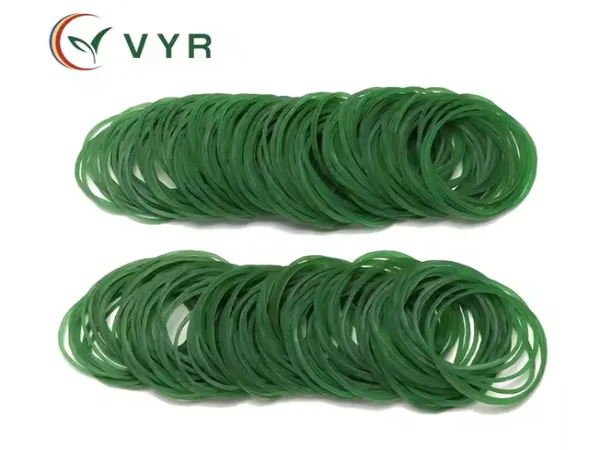
Elastic rubber bands may appear simple, yet they play an essential role in industrial packaging, logistics, and manufacturing. From bundling components on assembly lines to securing goods during transportation, these versatile tools deliver reliable performance where it matters most. As global demand for high-quality rubber bands wholesale continues to rise, manufacturers like VIET-Y have emerged as trusted suppliers, providing consistent quality, superior durability, and dependable solutions for businesses worldwide.
Zhejiang VIET-Y Rubber Products Co., Ltd. sits at No. 13 Qingxi East Road, Qingkou Industrial Zone, Jiangdong Street, Yiwu City. The firm started in 2010. It ranks among China’s first dedicated plants for RUBBER BAND products. The guiding idea—“customer first, forge ahead”—has shaped its rise into a solid ally in global supply chains.
Why Quality Elastic Rubber Bands Matter
Picking the proper elastic rubber band goes beyond just cost. It focuses on how well it holds up under stress. Factory workers rely on bands that stretch evenly without snapping. They must fight off wear from sunlight or warmth. And they need to keep their bounce after many uses.
A top-notch band boosts a few areas.
- Efficiency:Quicker bundling and smoother material handling.
- Safety:Lower chance of snaps during pulling or keeping.
- Organization:Sharper grip on stock and packing steps.
For tough tasks like wrapping pallets or tying parts in factories, pull strength and stretch amount matter a lot. In fields such as food handling or health care, clean materials and resistance to dirt play big roles too. Take a busy warehouse, for instance—bands that last through 500 cycles without losing grip save real time and cut waste by about 20%, based on common industry reports.
8 Essential Types of Elastic Rubber Bands and Their Applications
1. Standard Natural Latex Rubber Bands
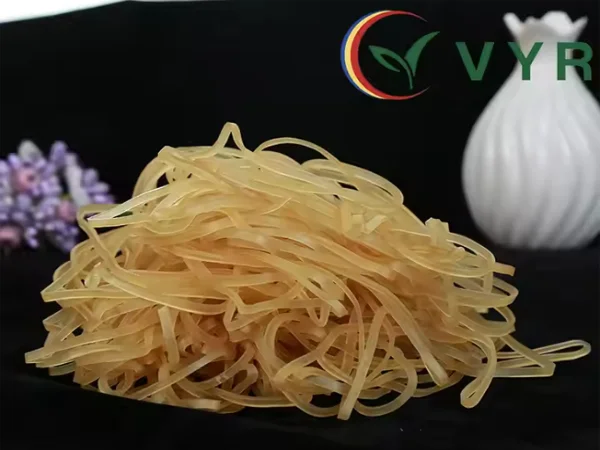
Crafted from natural rubber, these show strong bounce. They serve as the main pick for everyday tying in offices, storage spots, and shops. VIET-Y’s natural latex bands bring “high toughness.” They can stretch to seven times their size without snapping. That trait shines for big buyers who count on steady work in volume.
2. Non-Latex Synthetic Rubber Bands
In spots where latex reactions worry folks—like clinics or testing rooms—fake rubber choices offer safe fixes. These industrial rubber bands hold their stretch. Plus, they stand up to chemicals and shifts in temperature.
3. Heavy-Duty Industrial Rubber Bands
These pack real muscle. They fit car building lines or major shipping centers. There, they lock down heavy loads with ease. VIET-Y’s tough latex line features “wide and durable industrial rubber bands.” They back custom fits or packing needs.
4. Colored Coding Rubber Bands
Bands in different colors make sorting simpler in storage or making areas. They work great for stock systems that use sight cues—say, red for rush deliveries, green for cleared groups.
5. Antimicrobial Elastic Bands
In clean-focused places like health labs or drug factories, special mixes stop germs from spreading on wet or touched spots.
6. High-Temperature Resistant Rubber Bands
Such bands take heat that shows up in making lines or car building zones. Regular latex would wear out fast there.
7. Custom Size Rubber Bands
Tailoring often proves key in business setups where items differ in form and scale. VIET-Y gives OEM & ODM help. Clients can pick width, depth, shade, and pull traits for their packing demands.
A skilled design crew focuses on fresh ideas. And custom OEM & ODM services come standard. This bend makes VIET-Y a top choice for bulk sellers after fitted answers. Honestly, in a pinch like securing odd-shaped machine parts, these custom ones beat off-the-shelf every time.
8. Premium Office and Stationery Rubber Bands
Outside rough factory work, fine office bands manage papers and desk items without sticky marks or stains.
Key Features to Consider When Choosing Elastic Rubber Bands
When grabbing bulk rubber bands, certain specs decide if they fit the bill.
|
Feature |
Description |
Importance |
|
Tensile Strength |
The max pull a band takes before it snaps |
Vital for weight-holding jobs |
|
Elongation Rate |
Percent length gain before it fails |
Shows bendiness |
|
Width & Thickness |
Sets hold power and stretch room |
Changes how it wraps items |
|
Material Composition |
Natural or man-made rubber; shapes bounce & security |
Affects weather resistance |
|
UV & Ozone Resistance |
Stops splits in long storage |
Key for outside tasks |
|
Temperature Tolerance |
Keeps work steady in hot or cold swings |
Necessary in factory spots |
Going by these points cuts early breakdowns. It also backs even results over making runs. From experience in logistics, ignoring width can lead to slips—I’ve seen bundles come loose mid-truck, causing minor headaches.
VIET-Y’s Range of Elastic Rubber Bands
The goal stays linking the globe with rubber power. It centers on studying, making, and selling rubber band goods. That line sums up VIET-Y’s drive—not only for building but for fresh steps in stretchy materials.
High-grade items at fair prices guide the work. This approach gives a strong spot among world sellers of rubber bands wholesale fixes.
The goods cover:
- Natural latex types for routine jobs
- Heat-proof industrial kinds for making lines
- TPU series made for kids’ hair tiesbut flexible for other fields thanks to top stretch (“Can Be Extended To Seven Times Length Won’t Break”)
- Tailored color picks that match brand looks
Modern making setups and tight checks hit world rules. VIET-Y grows reach over five lands via sure shipments and OEM ties.
Conclusion
From routine desk tasks to hard packing lines in factories, elastic rubber bands stay vital in fields everywhere. Picking solid sources like VIET-Y opens doors to reliable quality. It comes with deep know-how in making skill and world trade smarts.
FAQs
Q1: What materials are used to make elastic rubber bands?
A: Elastic rubber bands often come from natural latex or man-made mixes based on the job. Natural ones give better stretch at low cost. Man-made sorts add strong guard against chemicals—handy for bulk rubber bands in special fields.
Q2: What is the difference between latex and non-latex elastic rubber bands?
A: Latex bands bring solid bounce cheaply. Non-latex kinds skip allergy issues. They keep lasting power in varied setups seen in packing zones.
Q3: Are VIET-Y elastic rubber bands suitable for medical use?
A: Yes. The line has germ-fighting and non-latex picks built for health spots. There, clean rules matter most.
Q4: Can elastic rubber bands be customized in size and color?
A: Sure—VIET-Y backs OEM tailoring on sizes, pull levels, shades, even logo stamps. It fits company styles in bulk networks.
Q5: What sizes and strengths are available for VIET-Y elastic rubber bands?
A: Options run from light desk models to tough factory types that tie big loads well. They suit many business areas needing solid industrial rubber bands at large scale.

Latest News
-
Jun. 04, 2026TPU Elastics Safety & Compliance for B2B Food and Hygiene Packaging 2026VIET-Y offers high elastic food grade TPU rubber bands with FDA and EU compliance for food and hygiene packaging. Superior durability, abrasion resistance and safety. Contact us for samples and bulk custom solutions.
-
Jun. 04, 2026Customizable Rubber Bands: Key to B2B Organization and Efficiency in 2026VIET-Y specializes in high-elasticity natural rubber bands and customizable elastic bands for B2B logistics, offices, and supply chains. Durable, color-coded solutions with strong rebound deliver reliable performance and workflow efficiency. Contact us for a free quote.
-
May. 28, 2026Reliable Wholesale Rubber Band Suppliers: B2B Sourcing Guide 2026VIET-Y offers reliable wholesale rubber band solutions with strict quality control, OEM/ODM capability, timely delivery, and ISO certification. This B2B sourcing guide helps buyers select trusted suppliers for sustainable supply chains in 2026.


