

Batch-Traceable Rubber Bands for Safer Import Sourcing
Time : Jul 02, 2026 View : 120
Rubber bands are small products, but bulk sourcing is not always a small decision. For importers, distributors, packaging suppliers, stationery wholesalers, and warehouse supply buyers, one unstable shipment can create real problems. Bands may break during packing. Color may not match the approved sample. A repeat order may feel softer than the first lot. These details look minor at first, but in daily distribution, small defects spread fast.
That is why batch-traceable rubber bands are becoming more important in import sourcing. Buyers now look beyond unit price. They also care about material stability, size control, packaging consistency, warehouse handling, and reorder accuracy. A low price may look attractive, but a batch that cannot be traced is harder to manage after delivery.
VIET-Y supplies rubber band series products for B2B buyers, with product categories covering rubber, latex, TPU, and TPR series. For companies purchasing wholesale rubber bands, batch traceability helps turn a common consumable into a more controlled sourcing item.
Why Batch Traceability Matters for Wholesale Rubber Bands
Batch traceability connects each production lot with practical sourcing details, such as material type, size, color, production date, packing format, inspection notes, and shipment information. It does not need to be complicated. In most B2B cases, clear batch labels and basic records already help reduce confusion.
Low-Cost Rubber Bands Can Become High-Risk Inventory
Rubber bands are often treated as low-value goods, but bulk orders may stay in warehouses for weeks or months. If elasticity drops, surfaces become sticky, or bags contain mixed sizes, the importer may face complaints from several downstream customers at once.
A stationery distributor may need clean, stable bands for office packs. A packaging supplier may need steady stretch for daily bundling work. A supermarket supply buyer may care about color, smell, and bag weight because these details affect shelf-ready goods. In each case, traceability helps separate a normal shipment from a risky lot.
What Batch Details Should Be Recorded
Useful batch records usually focus on practical information rather than long paperwork. For wholesale rubber bands, the following details are worth tracking:
-
Material type, such as natural rubber, latex, TPU, or TPR
-
Size, width, thickness, and color
-
Production lot number and date
-
Approved sample reference
-
Packing weight and carton information
-
Basic inspection result
-
Shipping batch and warehouse note
These records help buyers compare shipments, check claims faster, and keep repeat orders closer to the approved standard.
Common Import Risks in Rubber Bands Bulk Orders
Rubber bands pass through production, packing, export handling, freight, customs clearance, local warehousing, and distribution. Some quality problems may only appear after transport or storage. For this reason, importers need more than a sample photo or a simple quotation.
Elasticity and Size Variation
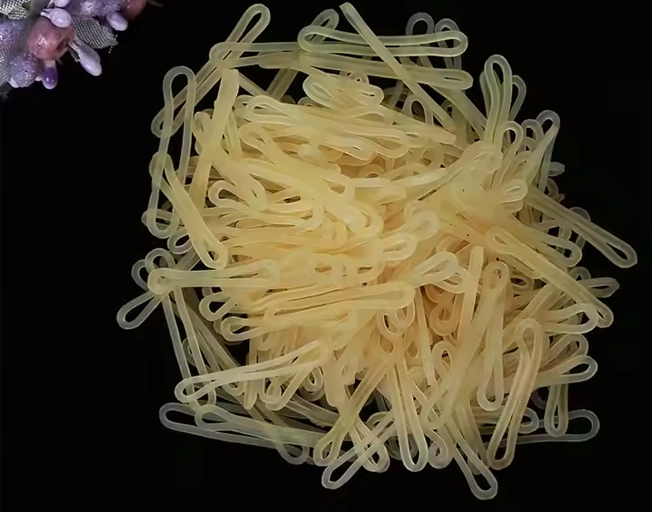
Elasticity is one of the first things users notice. A good rubber band should stretch smoothly and return with enough pull. If a band feels weak, thin, or uneven, workers often use more pieces per bundle. That slows packing work and increases hidden cost.
Size variation is another common issue. A 40 mm band for document collection is different from a wider band used for vegetable bundling or warehouse sorting. Even a small change in thickness can affect grip, stretch, and breakage rate.
Aging, Odor, and Surface Problems
Rubber bands may become brittle or sticky when material control, storage, or transport conditions are poor. Heat and humidity can make the problem worse. Natural rubber bands usually offer useful stretch and rebound, but performance still depends on material freshness and stable processing.
Odor is also worth checking. For office, retail, and supermarket channels, a strong smell can make a product feel low grade, even when the band still works. This is a small detail, but buyers often remember it after receiving a bad batch.
Repeat-Order Mismatch
Repeat-order mismatch is one of the biggest frustrations in bulk sourcing. The first shipment matches the sample. The second shipment looks close but not quite the same. The third shipment arrives with a different packing style. For importers managing customer accounts, these changes are hard to explain.
Batch traceability gives both supplier and buyer a shared reference. The approved sample, material description, size record, and packing standard can be used again for future rubber bands bulk orders.
VIET-Y Product Fit for Traceable B2B Sourcing
VIET-Y’s product range includes rubber series, latex series, TPU series, and TPR series. This gives B2B buyers several options for different markets, from office supply and packaging to logistics, color-coded sorting, and customized elastic products.
Natural Rubber Bands for Packaging and Bundling
Natural rubber bands are widely used in packaging, warehouse sorting, agriculture, office supplies, and general commercial bundling. For importers, natural rubber bands are often selected because of stretch, grip, and rebound. Batch tracking helps protect these performance points from one shipment to the next.
| Buyer Concern | Why It Matters |
| Material consistency | Affects stretch, rebound, and storage performance |
| Size control | Helps match different bundling and packing uses |
| Color stability | Important for retail packs and color-coded work |
| Packing format | Supports resale, repacking, and warehouse counting |
| Reorder matching | Reduces complaints caused by batch differences |
Latex Rubber Bands for Office and Financial Use
Latex rubber bands are often used for documents, collection work, finance-related supplies, stationery packs, and light commercial bundling. In these cases, buyers usually care about neat appearance, stable pull, and clean packing.
For office supply wholesalers, the product does not need to look complex. It needs to work every time. A small pack of bands that breaks too easily can hurt repeat purchase confidence. Batch records help confirm whether each lot follows the same approved size, material, and packing standard.
TPU and TPR Bands for Custom Elastic Applications
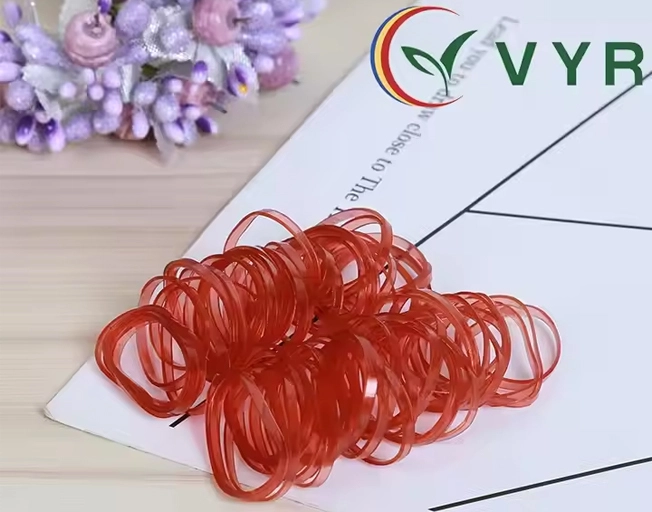
TPU and TPR bands can fit custom elastic applications where color, surface feel, flexibility, and appearance matter. These products may be used for sorting, accessories, branded packs, or special display needs.
In custom orders, traceability is especially useful. A color-coded product line loses value if the next batch arrives in a noticeably different shade. A custom size also needs clear records so the same product can be reordered without repeated sample adjustments.
What Importers Should Check Before Bulk Orders
A safer sourcing process does not require complicated testing. It needs a few routine checks that are repeated every time. In many import businesses, simple habits prevent expensive mistakes.
Sample Approval Before Production
A sample should be tested under real use conditions before mass production. For rubber bands, this may include stretching, bundling, short-term storage, bag weight checking, and packaging review. The approved sample should be kept as a reference for future batches.
This step is especially important for private-label wholesale rubber bands. Once a product enters a retail or distributor channel, sudden changes in color, size, or packing can damage customer trust.
Batch Comparison After Delivery
After delivery, several bags or cartons should be checked from different parts of the shipment. Importers can compare the new lot with the approved sample and earlier orders.
Useful checks include:
-
Stretch and rebound
-
Surface feel
-
Color difference
-
Odor
-
Bag weight
-
Carton strength
-
Label and batch number
-
Packing quantity
FIFO Storage and Batch Labels
Traceability should continue after goods enter the warehouse. Rubber bands should be stored by batch number, arrival date, product type, and customer order. First-in, first-out storage helps reduce aging risk and keeps older stock from sitting too long.
From an ESG view, batch labels also support better inventory control. Clear lot separation helps reduce unnecessary returns, mixed-stock waste, expired rubber products, and repacking caused by warehouse confusion.
How Batch Traceability Supports Safer Import Sourcing
Batch-traceable sourcing gives importers more control when handling claims, reorders, and stock planning. If a customer reports breakage, the related lot can be checked instead of blaming the full supply chain. If a repeat order is needed, the previous batch record can guide size, packing, and material requirements.
For rubber bands bulk buyers, this is useful because orders often look simple on paper. A product name such as “natural rubber bands” may cover many sizes, thicknesses, colors, and packing formats. Without records, future orders rely too much on memory.
VIET-Y’s ODM/OEM support also helps buyers who need customized sizes, colors, styles, logo packaging, or different bag weights. When customization and batch records work together, the sourcing process becomes easier to repeat.
Conclusion
Batch-traceable rubber bands give importers a practical way to reduce sourcing risk in daily wholesale trade. The value comes from clearer material records, stable size control, consistent packing, and better repeat-order management. For B2B buyers, this is especially important when wholesale rubber bands are used in office supplies, packaging, warehouse sorting, logistics, retail packs, and custom product lines.
VIET-Y supplies rubber, latex, TPU, and TPR series products for different commercial needs, with customization support for rubber bands bulk orders. For sample testing, batch specifications, custom packing, or long-term natural rubber bands supply planning, contact VIET-Y for professional sourcing support.
FAQs
Q1: Why are batch-traceable rubber bands important for importers?
A: Batch-traceable rubber bands help importers connect each shipment with material, size, packing, and production records. This makes wholesale rubber bands easier to inspect, reorder, and manage after delivery.
Q2: What should be checked before ordering rubber bands bulk?
A: Buyers should check material type, size tolerance, elasticity, rebound, odor, surface condition, packing weight, carton strength, and whether the bulk lot matches the approved sample.
Q3: Are natural rubber bands suitable for packaging and warehouse work?
A: Yes. Natural rubber bands are commonly used for packaging, bundling, sorting, office work, and warehouse handling because they offer useful stretch and grip when quality is stable.
Q4: Can VIET-Y support customized wholesale rubber bands?
A: Yes. VIET-Y offers rubber, latex, TPU, and TPR series products, with ODM/OEM support for size, color, style, packing format, and logo customization.
Q5: How can importers reduce repeat-order risk for rubber bands bulk?
A: Importers can keep approved samples, request batch records, compare new shipments with previous lots, check packing labels, and follow first-in, first-out storage after delivery.

Latest News
-
Jun. 04, 2026TPU Elastics Safety & Compliance for B2B Food and Hygiene Packaging 2026VIET-Y offers high elastic food grade TPU rubber bands with FDA and EU compliance for food and hygiene packaging. Superior durability, abrasion resistance and safety. Contact us for samples and bulk custom solutions.
-
Jun. 04, 2026Customizable Rubber Bands: Key to B2B Organization and Efficiency in 2026VIET-Y specializes in high-elasticity natural rubber bands and customizable elastic bands for B2B logistics, offices, and supply chains. Durable, color-coded solutions with strong rebound deliver reliable performance and workflow efficiency. Contact us for a free quote.
-
May. 28, 2026Reliable Wholesale Rubber Band Suppliers: B2B Sourcing Guide 2026VIET-Y offers reliable wholesale rubber band solutions with strict quality control, OEM/ODM capability, timely delivery, and ISO certification. This B2B sourcing guide helps buyers select trusted suppliers for sustainable supply chains in 2026.


