

2026 Elastic Band Supply Continuity Guide for B2B Buyers
Time : Jul 17, 2026 View : 106
When Elastic Band Reorders Start Creating Problems
A repeat shipment reaches the warehouse. The carton count is right, the label looks normal, and the price matches the purchase order. Then the packing team starts using the bands. Some feel slightly thinner. A few break during bundling. The color is close to the approved sample, but not quite the same.
That is usually when elastic band supply continuity becomes a real purchasing issue.
For B2B buyers, rubber bands and elastic bands sit inside daily workflows: warehouse picking, office supply resale, retail packing, light industrial bundling, food display, document handling, and logistics sorting. These products are small, but the order volume is often high. When the wrong band arrives, the problem shows up in extra handling, delayed packing, customer complaints, or urgent replacement buying.
In 2026, buyers need more than a quick quote for wholesale rubber bands. They need a cleaner way to manage product details, reorder timing, material choices, and follow-up shipments.
VIET-Y, established in 2010 in Yiwu, Zhejiang, supplies rubber, latex, TPU, and TPR elastic band solutions for wholesale, packaging, OEM/ODM, and long-term B2B purchasing programs.
What Supply Continuity Means for B2B Elastic Band Buyers
Consistent Product Details Across Reorders
Supply continuity is not the same as carrying more inventory. For elastic bands, it means each follow-up shipment stays close to the approved product standard: material, diameter, width, thickness, color, stretch, rebound, packing count, carton marking, and application fit.
This matters most for distributors and wholesale rubber bands buyers. A reseller may supply the same band size to office supply shops, packaging companies, warehouse users, and small manufacturers. If the second shipment feels different from the first, the reseller receives the complaint first.
A simple product record helps reduce that risk. Approved samples, carton labels, packing quantities, and size details should be easy for both buyer and supplier to check before production starts.
Reorder Timing Based on Real Stock Movement
Depending on order volume, shipping distance, and customer demand, many B2B buyers review rubber bands stock on a 30-, 60-, or 90-day cycle. That rhythm only works when usage, lead time, and safety stock are tracked together.
For fast-moving SKUs, a two-to-four-week safety stock buffer is often a practical starting point before retail promotion seasons, back-to-school demand, year-end packaging peaks, or agricultural packing cycles. The goal is not to overstock. It is to avoid rushed substitutions when the right elastic bands are already running low.
Common Risks in Bulk Rubber Bands Procurement
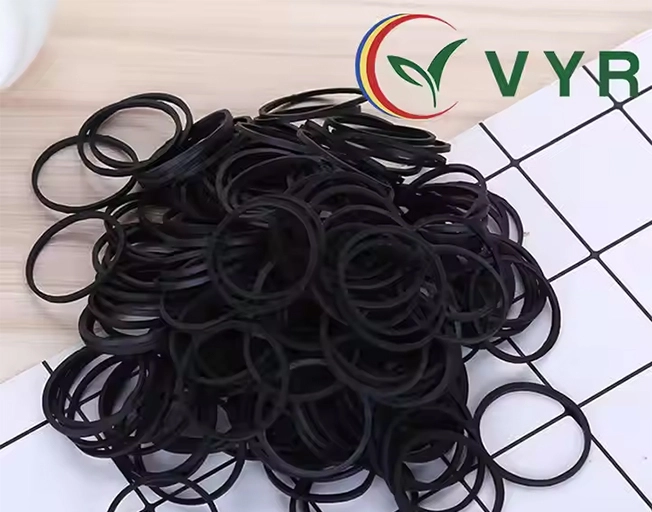
Material Mismatch
Rubber, latex, TPU, and TPR bands are not interchangeable. Each material fits a different job.
A general rubber band may work well for office bundling and daily packaging. Latex bands can offer strong stretch and rebound. TPU bands are often chosen for durability, cleaner handling, or reusable bundling needs. TPR bands can fit colorful, soft-touch, or customized elastic products.
The wrong material may still stretch, but it may not perform well in the actual setting. A band used for a light document stack may fail when wrapped around industrial parts. Material choice should follow the job, not only the price line.
Small Specification Changes
Specification drift is easy to miss at first. The width changes slightly. The color shifts. The packing quantity is different. The band stretches farther than expected but does not recover well.
For bulk rubber bands buyers, these small changes can create receiving issues, resale complaints, or extra inspection work. Approved references should be kept with the purchase standard, not treated as one-time pre-order paperwork.
Emergency Reorders
Late reorders leave little room for sample checks, carton confirmation, or shipping planning. They also push buyers toward whatever is available fastest. A rushed replacement may solve the inventory problem for one week and create quality complaints the next.
How to Build a Practical Elastic Band Procurement Plan
Map Each Application Before Ordering
A purchasing team may buy one product code called “elastic bands,” while the operation actually uses several band types for different jobs. A simple use-case map helps avoid that mistake.
|
Application |
Common Product Choice |
Procurement Focus |
|
Office supply resale |
Rubber bands, latex bands |
Standard sizes, bulk packing, repeat availability |
|
Warehouse bundling |
Strong rubber bands, TPU bands |
Stretch recovery, break resistance |
|
Retail packaging |
Colored elastic bands, TPR bands |
Appearance, color match, packing format |
|
Food display or light packing |
Selected TPU or suitable rubber bands |
Clean handling, application fit |
|
Industrial parts grouping |
Wider or thicker rubber bands |
Holding strength, durability |
|
Private-label programs |
OEM elastic bands |
Custom size, color, carton, brand packaging |
This map separates daily-use products from seasonal products, customer-specific items, and backup SKUs.
Keep a Repeat-Order Sheet for Each SKU
A repeat-order sheet gives purchasing, quality control, warehouse receiving, and the supplier the same reference.
Useful fields include:
- Material type
- Diameter, width, and thickness
- Color or color code
- Stretch and rebound requirement
- Packing quantity per bag, box, and carton
- Carton marking and label details
- Approved sample date
- Target application
- Monthly usage estimate
- Reorder point
- Backup material or size option
For wholesale rubber bands, this record is valuable because many customers may buy similar bands with small but important differences.
Test Samples in the Real Work Area
A sample should be tested where the elastic bands will actually be used. A desk test may show basic stretch, but it does not reveal how the band behaves during packing, storage, or repeated handling.
A warehouse team may test breakage during bundling. A retail packaging buyer may check how the color looks under store lighting. An office supply distributor may compare stretch against the previous approved batch. One useful habit: keep the approved reference close to the purchasing record, not buried in someone’s drawer.
How Rubber, Latex, TPU, and TPR Elastic Bands Reduce Supply Risk

More Material Options for Different Customers
B2B buyers often serve more than one market. A distributor may supply office stores, logistics companies, industrial users, and packaging resellers at the same time. One band type will not fit every account.
Access to rubber, latex, TPU, and TPR series allows buyers to plan by use case:
- Rubber bands for general bundling, office use, and everyday packaging
- Latex bandsfor applications needing strong stretch and rebound
- TPU bands for durable, reusable, or cleaner handling needs
- TPR bands for colorful, flexible, or customized elastic products
This product range helps buyers respond when customer demand changes. It also reduces the need to switch suppliers for every new elastic band request.
How to Set Reorder Rules for Bulk Rubber Bands
A reorder plan should begin with real usage, not a guess based on the last invoice. Buyers can review monthly carton consumption by SKU, customer group, or department.
Lead time should include more than production time. Buyers also need to consider sample confirmation, packing checks, export preparation, shipping, customs, and internal receiving.
A practical reorder rule may include:
- Current inventory level
- Average monthly use
- Peak season demand
- Supplier lead time
- Safety stock target
- Next planned order date
This keeps rubber bands from becoming an emergency item and gives the supplier enough time to prepare the correct product details.
What B2B Buyers Should Check Before Ordering Bulk Elastic Bands
Repeat Order Stability
Before placing a large order, buyers should confirm whether the supplier can repeat the same product over multiple shipments. Key points include material, size, color, stretch, packing count, carton format, and labeling details.
Sample and Quality Checks
Even simple elastic bands need inspection. Quality checks may include appearance, size, elasticity, rebound, breakage, color consistency, packing quantity, and carton condition. For OEM elastic bands or private-label products, sample comparison is especially important.
Before mass production, buyers can confirm approved samples, carton labels, packing quantities, and material requirements. For repeat bulk orders, VIET-Y can compare production batches with approved samples and check size, elasticity, packing quantity, and carton labeling before shipment.
OEM/ODM Details for Repeat Bulk Orders
OEM/ODM support is useful when buyers need custom colors, special sizes, private-label packaging, carton markings, or application-based product changes. For long-term B2B buyers, customization keeps recurring purchases clear, traceable, and easier to manage across different customers.
How VIET-Y Supports Stable Rubber Bands and Elastic Bands Supply
VIET-Y has worked in the elastic band field since 2010 and offers rubber, latex, TPU, and TPR series products for B2B applications. The product range fits buyers who need standard rubber bands, durable TPU bands, flexible TPR bands, latex bands, or custom elastic bands for wholesale and OEM/ODM programs.
For example, a distributor sourcing standard rubber bands and custom-colored TPR bands can keep both product lines under one supplier communication flow. That reduces sample confusion, packing differences, and follow-up shipment errors.
For packaging buyers, office supply channels, industrial users, and OEM accounts, VIET-Y can support multi-material product planning, approved reference checks, size checking, elasticity review, packing quantity checks, carton confirmation, export-ready packing, and OEM/ODM service for size, color, and packaging requirements.
Conclusion
A better 2026 elastic band supply plan starts with cleaner purchasing details: material, size, stretch, color, packing, usage volume, reorder timing, and an approved sample. Once those details are fixed, buyers can reduce stockouts, avoid rushed substitutions, and keep bulk orders more consistent.
Procurement teams planning wholesale rubber bands or custom elastic bands in 2026 can contact VIET-Y to confirm specifications, request samples, and discuss bulk order schedules based on real application needs.
FAQ
Q1: How early should buyers reorder rubber bands?
A: Many B2B buyers review rubber bands stock 30–90 days ahead, with extra buffer for fast-moving SKUs.
Q2: What causes quality differences in repeat elastic bands orders?
A: Material changes, size drift, poor rebound, color variation, packing errors, and weak sample control can cause differences.
Q3: Can wholesale rubber bands be customized for private-label sales?
A: Yes. Wholesale rubber bands can be customized by size, color, packing, carton details, and private-label requirements.
Q4: Which material is better for bulk elastic bands?
A: Rubber, latex, TPU, or TPR may fit, depending on stretch, durability, appearance, and working conditions.
Q5: Can VIET-Y support repeat bulk orders for elastic bands?
A: Yes. VIET-Y offers rubber, latex, TPU, and TPR bands with OEM/ODM support for repeat B2B orders.

Latest News
-
Jun. 04, 2026TPU Elastics Safety & Compliance for B2B Food and Hygiene Packaging 2026VIET-Y offers high elastic food grade TPU rubber bands with FDA and EU compliance for food and hygiene packaging. Superior durability, abrasion resistance and safety. Contact us for samples and bulk custom solutions.
-
Jun. 04, 2026Customizable Rubber Bands: Key to B2B Organization and Efficiency in 2026VIET-Y specializes in high-elasticity natural rubber bands and customizable elastic bands for B2B logistics, offices, and supply chains. Durable, color-coded solutions with strong rebound deliver reliable performance and workflow efficiency. Contact us for a free quote.
-
May. 28, 2026Reliable Wholesale Rubber Band Suppliers: B2B Sourcing Guide 2026VIET-Y offers reliable wholesale rubber band solutions with strict quality control, OEM/ODM capability, timely delivery, and ISO certification. This B2B sourcing guide helps buyers select trusted suppliers for sustainable supply chains in 2026.


