

Why TPU Rubber Bands Top the List for Food Bundling
Time : Oct 31, 2025 View : 198
Why TPU Rubber Bands Top the List for Food Bundling
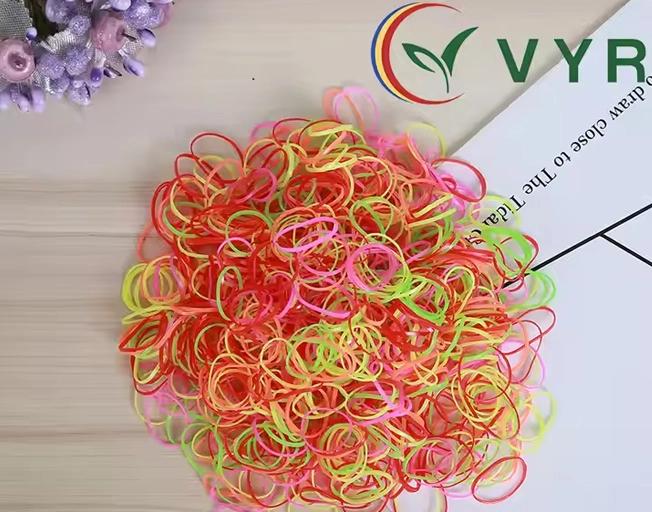
Ever walked into a grocery store and noticed how neatly those bunches of asparagus or packs of bagels stay together? It’s not magic. It’s often a simple rubber band doing the heavy lifting. But not just any band—TPU rubber bands quietly make sure everything arrives fresh and secure. If you’re in the food business, whether packing veggies at a farm or stocking shelves at a market, choosing the right bundling tool matters. TPU rubber bands stand out as the best for food products. They keep things tight without the headaches of breakage or contamination. In this post, we’ll dig into why these bands are a game-changer. You’ll see how they protect your goods, save you time, and even help the planet.
Understanding TPU Rubber Bands
Picture this: a material that’s stretchy like rubber but tough like plastic. That’s TPU, or thermoplastic polyurethane, in a nutshell. It’s not your grandma’s elastic. TPU blends the best of both worlds—flexible enough to snap back after a good pull, yet strong enough to handle daily rough stuff.
Core Properties That Set It Apart
TPU rubber bands shine because of a few standout traits. First off, they’re incredibly elastic. Stretch one out, and it can go up to seven times its length without snapping. Short bursts? No problem either. This means your food bundles stay put during shipping or stacking.
Then there’s the feel. These bands don’t stick or leave residue. Grab a bunch of carrots tied with TPU, and your hands stay clean. No sticky mess to wipe off. And heat? They laugh it off. From fridge chills to warm market days, TPU holds shape without getting brittle or gooey.
Think about the little things too. They’re lightweight, so they don’t add extra heft to your produce packs. And colors? You can get them in vibrant hues that pop on shelves, drawing eyes without fading fast.
Safety First: TPU and Food Contact
Food safety isn’t optional—it’s everything. One wrong material, and you’re risking health issues or recalls. TPU rubber bands step up here big time. They’re made to touch food without worry.
Non-Toxic and Easy to Clean
What makes TPU the best for food products? It starts with purity. No harmful chemicals leach out, even after long contact. Standards like REACH back this up, confirming it’s safe for direct use. Veggies wrapped tight? No odd tastes or smells transfer over.
Cleaning’s a breeze too. Wipe one down, and bacteria don’t stand a chance. The smooth surface fights off mold and germs better than rougher options. In busy kitchens or packing lines, this cuts down on downtime. Less scrubbing means more time selling.
We’ve all heard stories of bands breaking and scattering produce. TPU avoids that drama. It resists oils and juices that could degrade cheaper ties. Your asparagus stays bundled, fresh, and appealing right up to the checkout.
Built to Last in Tough Conditions
Durability isn’t just a buzzword—it’s what keeps your operations smooth. TPU rubber bands take a beating and keep going. Drop a crate of bundled greens? They bounce back. Stack boxes high? No slipping.
In the food world, conditions vary wildly. Cold storage one minute, humid markets the next. TPU handles it all. It won’t crack in the frost or melt in the sun. UV rays? They shrug them off, staying strong outdoors.
This toughness pays off. Fewer replacements mean lower costs. A single band can loop around dozens of items over weeks. For small grocers or big suppliers, that’s real savings. And when bands last, waste drops. Your bottom line—and the landfill—thanks you.
A Greener Grip on Bundling
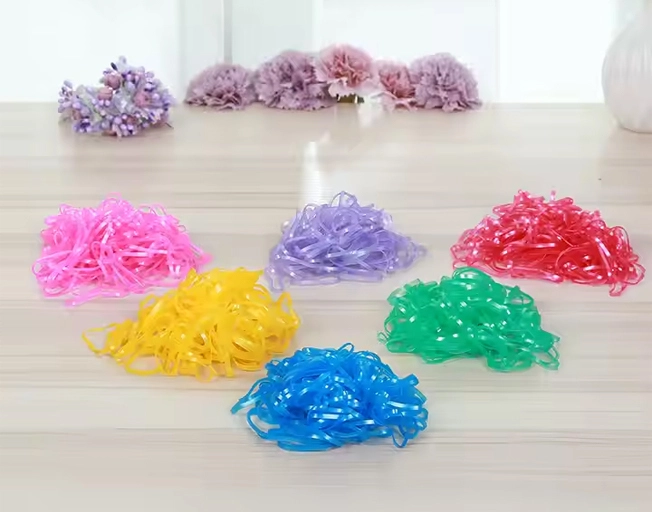
Sustainability matters more than ever. Customers ask about it. Regulators push for it. TPU rubber bands fit right in without skimping on performance.
These bands recycle easily. Melt them down, reshape them—no quality loss. Unlike some elastics that end up as trash, TPU loops back into use. It’s a small swap with big impact for eco-conscious food brands.
Production’s kinder too. Less energy to make, fewer emissions. If your shop prides itself on green practices, TPU aligns perfectly. Tie up organic carrots with a recyclable band, and you’re walking the talk.
Short sentence for emphasis: It feels good knowing your choice helps the earth.
TPU vs. The Rest: A Quick Showdown
Not all bands are created equal. Let’s stack TPU against common alternatives. You’ll see why it’s the top pick for food tasks.
|
Feature |
TPU Rubber Bands |
Natural Rubber Bands |
PVC Bands |
|
Food Safety |
Fully compliant, non-toxic |
Can cause allergies, may degrade |
Often contains phthalates, risky |
|
Elasticity |
Stretches 7x, snaps back perfectly |
Good stretch, but breaks easier |
Stiff, less flexible |
|
Durability |
Resists oils, UV, temperature swings |
Weak against chemicals and sun |
Cracks over time, not eco-friendly |
|
Eco-Friendliness |
Recyclable, low waste |
Hard to recycle, latex issues |
High environmental impact |
|
Cost Over Time |
Lasts longer, fewer buys |
Cheap upfront, frequent replaces |
Mid-range, but disposal fees add up |
Bullets for the win: Why switch to TPU?
- No allergy worries for handlers or eaters.
- Handles greasy foods without slipping.
- Colors stay bright, boosting shelf appeal.
See the pattern? TPU pulls ahead in every round that counts for food pros.
Real Ways TPU Bands Work in Food Handling
Theory’s fine, but real stories sell it. Take a veggie farmer in the Midwest. He bundles beets with TPU bands before market runs. No more mid-trip spills. His greens arrive crisp, sales climb.
Or picture a bakery wrapping loaves. TPU keeps the paper snug without tearing. Customers grab and go, loving the neat look. In processing plants, these bands secure trays of fruit for conveyor belts. Steady hold means less bruising, happier buyers.
For retailers, it’s about display. Tie herb bundles or cheese packs—TPU makes them pop. Easy to adjust, too. Swap out for holidays with colored bands that match your theme.
These aren’t hypotheticals. Food folks swear by TPU for its reliability. It turns everyday tasks into smooth sails.
Smart Tips for Picking TPU Bands
Choosing bands? Don’t grab the first pack. Size up your needs. For light greens, go thinner—about 1mm wide. Heavy roots? Thicker ones, around 2mm, grip better.
Check stretch too. Test a sample. Does it rebound quick? That’s your sign of quality. And for food, always verify certifications. Look for that REACH stamp.
Bulk buying saves, but start small. See how they perform in your setup. Pair with good storage—cool, dark spots keep them snappy.
Pro tip: Mix sizes for variety. Small for berries, large for squash. Versatility like that keeps your packing flexible.
Meet Your TPU Partner: Zhejiang VIET-Y Rubber Products Co., Ltd.
Before we wrap, a quick nod to a solid supplier in this space. Zhejiang VIET-Y Rubber Products Co., Ltd. has been crafting rubber band series products since 2010. Based in Yiwu, China, they’re all about quality that lasts. Their TPU options draw from years of know-how, blending elasticity with safety for folks like you in food. They handle custom runs too, so if standard doesn’t cut it, they tweak for your exact bundle. It’s that focus on steady supply and top-notch standards that makes them a go-to for rubber band needs.
Wrapping It Up
TPU rubber bands aren’t flashy, but they deliver where it counts. From safe touches to long hauls, they’re built for food pros who can’t afford slip-ups. Swap them in, and watch your bundles—and your business—thrive. It’s a straightforward upgrade that pays off daily. Ready to tie things together better? Give TPU a shot.
Frequently Asked Questions
Are TPU rubber bands really safe for direct food contact?
Yes, they are. TPU rubber bands meet strict food safety rules, like REACH standards. No toxins sneak in, so your produce stays pure. It’s why they’re the best for food products—peace of mind in every loop.
How long do TPU rubber bands typically last in food packaging?
Quite a while, actually. With their tough build, they hold up through multiple uses. Expect weeks or even months before they lose snap, depending on the load. That’s solid value for busy packers.
Can I use TPU rubber bands for outdoor food markets?
Absolutely. They resist sun and weather without fading or cracking. Perfect for farmers’ stands where bundles face the elements all day.
What’s the stretch limit on TPU rubber bands?
They can extend up to seven times their size and bounce right back. Great for securing odd-shaped items like flower stems or baguette ends without worry.
Do TPU rubber bands come in custom sizes for food bundling?
Sure do. Many suppliers offer tweaks to fit your exact needs, from tiny herb ties to big veggie wraps. Just chat about your setup for a perfect match.

Latest News
-
Feb. 26, 2026WHY RUBBER BANDS ARE SO IMPORTANT NOWDiscover why rubber bands are essential for office organization, productivity, and cost-effective administrative solutions.
-
Feb. 19, 2026The Safety and Compliance of TPU Elastics in Food Contact and Hygiene ApplicationsDiscover the safety and compliance of TPU elastics for food packaging and hygiene applications, ensuring durability and reliability.
-
Feb. 12, 2026Can TPU Rubber Bands Be Used in Medical or Health-Related ProductsTPU bands, medical products, compression garments, prosthetics, healthcare applications


