

Why TPU Elastics Are the Sustainable Choice for B2B Packaging in 2026
Time : Apr 02, 2026 View : 446
Introduction
The global packaging industry faces big shifts in 2026. These shifts stem from stricter Extended Producer Responsibility (EPR) rules, EU Circular Economy expansion, and U.S. state laws that call for higher recycled content and lower waste. B2B buyers in logistics, food, and e-commerce areas must pick materials that match circular economy targets. Meanwhile, they have to maintain solid performance. Traditional natural latex rubber bands give great elasticity and cheap cost. Yet, folks examine them closely due to poor recyclability, shaky supply from climate-hit rubber plantations, and limited choices for disposal.
Thermoplastic Polyurethane (TPU) elastics offer a solid eco-friendly option. As thermoplastic items, they enable simple recycling by melt reprocessing. They deliver firm durability, protection against chemicals, and reliable elasticity too. Such features suit them well for B2B packaging jobs like strapping pallets, fastening food trays, and managing e-commerce shipments.
Zhejiang VIET-Y Rubber Products Co., Ltd., established in 2010 at No. 13 Qingxi East Road, Qingkou Industrial Zone, Jiangdong Street, Yiwu City, specializes in high-quality rubber band series, including advanced TPU elastics. As a leading Chinese exporter with OEM/ODM capabilities, VIET-Y delivers compliant, bulk-ready solutions to meet 2026 sustainability and performance demands.
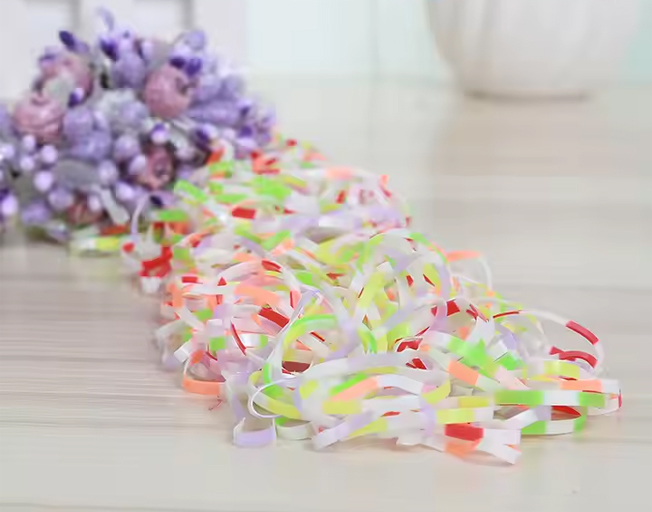
Understanding TPU Elastics vs. Traditional Rubber Bands
What Are TPU Elastics?
TPU (Thermoplastic Polyurethane) elastics stem from a bendable synthetic elastomer. It blends rubber-like flex with thermoplastic simplicity in handling. They supply firm elasticity, see-through choices, defense against scrapes, and tolerance for oils and chemicals. Specialists craft them for trustworthy function in hard B2B spots. This sets them apart from natural latex, which derives from rubber tree liquid.
Key Differences from Natural Latex Rubber Bands
Natural latex rubber bands might spark latex allergies due to inborn proteins. On the other hand, TPU elastics trigger no allergies and lack latex. TPU offers stronger shield from UV rays, stable handling of chemicals, and dependable action amid shifting temperatures. These qualities count heavily for open-air transport or jobs involving cleaners.
TPU elastics display far longer usage period too. They hold their elasticity across numerous stretch rounds without fast breakdown. This issue frequently strikes vulcanized latex series products.
Why TPU Outperforms in 2026 Sustainability Benchmarks
With 2026 EPR and circularity mandates that favor recyclable, mild-impact materials, TPU shines via its thermoplastic makeup. It backs several melt-reprocessing rounds with little loss in traits. This contrasts with cross-linked natural rubber, which fails at effective recycling.
Core Sustainability Advantages of TPU Elastics in B2B Packaging
Highly Recyclable via Melt Reprocessing
Unlike vulcanized natural rubber bands that fight melting and recycling, TPU elastics recycle well through melt reprocessing in matching thermoplastic flows. This aids closed-loop setups. It trims the demand for fresh plastic as well. Moreover, it lines up with 2026 circular packaging aims. Fit depends on nearby plants, but TPU’s thermoplastic build allows ongoing reuse.
Reduced Environmental Footprint
While plenty of TPU types rely on petroleum, new bio-based kinds from renewable stuff like castor oil cut effects even more. TPU making usually carries a smaller carbon mark than natural latex, which deals with forest loss and intense vulcanization dangers. Standard mixes skip sulfur or bad extras. All this aids in forming cleaner B2B supply lines.
Durability & Extended Longevity
TPU elastics’ better defense against wear grants longer working life in B2B uses such as pallet strapping and storage tasks. Consequently, this lowers the call for swaps and total trash. Such prolonged lifespan yields plain green gains on a large scale in shipping and packing networks.
Performance Benefits Tailored to B2B Packaging Needs
Superior Strength and Elasticity
TPU elastics merge pull strength with managed stretch traits fit for tough bundling work. For instance, they fix boxes on pallets or grip food trays in transit. Their elasticity stays steady over periods, which stops drooping or breaking under weight.
Resistance to Harsh Conditions
For cold-chain shipping or e-commerce work facing diverse weather, TPU’s defense against dampness, chemicals, and extreme heat or cold guarantees steady function. There, regular rubber might stiffen or split.
Lightweight Yet Secure Hold
Due to their high modulus-to-weight ratio, recyclable TPU elastics supply firm grip with little material bulk. This drops transport weight. Simultaneously, it preserves bundle wholeness across delivery chains.
| Property | Traditional Latex Rubber | TPU Elastics |
| Recyclability | Limited / Non-thermoplastic | Highly recyclable via melt reprocessing |
| UV/Heat Resistance | Poor (degrades over time) | Excellent |
| Allergen Risk | Contains natural proteins | Hypoallergenic / Latex-free |
| Lifespan | Shorter (prone to degradation) | Significantly longer |
| Chemical Resistance | Moderate | High |
2026 Market Trends Driving TPU Elastics Adoption in B2B
Sustainability isn’t just a buzzword. It’s now part of buying rules around the world. Experts forecast double-digit CAGR growth for green packaging items up to 2030. This happens as rulers broaden circular economy rules.
Latex supply ups and downs, caused by weather-vulnerable rubber tree outputs, push buyers to options like TPU. Plus, allergy worries for food workers make latex-free picks more appealing. These help meet job safety rules.
From a working angle, B2B buyers value:
-
Compliance with REACH and FDA indirect contact standards
-
Cost efficiency via bulk purchasing
-
Brand positioning aligned with eco-conscious customers
These values match well with recyclable TPU elastics from VIET-Y’s ready-for-export range.
Why Choose VIET-Y for Bulk TPU Elastics in 2026?
We adhere to the business philosophy of “customer first, forge ahead”, adhere to the principle of “customer satisfaction”, provide high-quality services to our customers, and dedicate ourselves to the rubber industry.
VIET-Y combines deep manufacturing expertise with modern sustainability practices:
-
OEM/ODM Customization – Professional designer team that specializing in creating new item. And we can provide OEM & ODM custom services. Buyers can specify size ranges, tensile strengths, or color variations tailored to brand identity.
-
Quality Assurance – Advanced production line, strict product quality monitoring and inspection; our products meet international standards.
-
Export Experience – We have many years of export experience to ensure orders are delivered to you on time.
-
Competitive Pricing – Direct factory sourcing eliminates middlemen costs while maintaining high quality at scale.
-
Application Versatility – VIET-Y’s recyclable tpu elastics have been used successfully in food bundling operations (cold-chain trays), logistics palletizing systems requiring long-term tension retention, and sustainable e-commerce packaging setups seeking lightweight yet durable fasteners.
Beyond production capabilities, VIET-Y’s corporate mission reinforces its commitment: Our mission is to connect the world with elastic strength… By innovating processes and providing high-quality services, we aim to become a trusted partner for flexible solutions.
This alignment between innovation and responsibility makes VIET-Y not just a supplier—but a strategic partner helping businesses transition toward greener packaging ecosystems by 2026.
Conclusion
As sustainability rules get stricter worldwide, firms need materials that work dependably and meet circular economy standards. Recyclable tpu elastics provide just that mix: power without waste; bend without harm; lasting quality without trade-offs.
With tested export skills and OEM options supported by strict quality checks, VIET-Y is set to supply global buyers with top-notch green elastic answers made for future packaging issues. Firms planning forward ought to contact us to think about adding these modern items soon. Do so before rule deadlines make new ideas a must.
FAQs
Q1: Are TPU elastics fully recyclable in standard plastic recycling streams?
A: Yes. Recyclable tpu elastics made from thermoplastic polyurethane can be melted down and reshaped many times without dropping key traits. This makes them work with current thermoplastic recycling setups.
Q2: How do TPU elastics compare to latex rubber bands in terms of environmental impact for 2026 packaging?
A: Latex making includes farm inputs and vulcanization steps that release more CO₂ per kilogram than synthetic TPU production. On the flip side, tpu elastics sustainable design permits closed-loop recycling and longer item lifespans that fit EPR aims.
Q3: Can TPU elastics be used for direct or indirect food contact packaging?
A: Many grades of recyclable tpu elastics comply with FDA indirect contact standards when produced under controlled conditions such as those maintained by VIET-Y’s certified facilities.
Q4: What makes TPU elastics more durable for B2B logistics applications?
A: Their defense against UV light, oils, dampness, and temperature shifts stops cracking or shape change during long storage or outdoor use. These are main edges over regular natural rubber bands that tend to break down.
Q5: How can B2B buyers source custom TPU elastics from VIET-Y in bulk?
A: Buyers can request OEM/ODM customization directly through VIET-Y’s export service team via phone (+86-15024520788) or email (vyr@cviet-y.com). The company offers tailored sizing options with global shipping support from its Yiwu-based facility at No.13 Qingxi East Road.

Latest News
-
Jun. 04, 2026TPU Elastics Safety & Compliance for B2B Food and Hygiene Packaging 2026VIET-Y offers high elastic food grade TPU rubber bands with FDA and EU compliance for food and hygiene packaging. Superior durability, abrasion resistance and safety. Contact us for samples and bulk custom solutions.
-
Jun. 04, 2026Customizable Rubber Bands: Key to B2B Organization and Efficiency in 2026VIET-Y specializes in high-elasticity natural rubber bands and customizable elastic bands for B2B logistics, offices, and supply chains. Durable, color-coded solutions with strong rebound deliver reliable performance and workflow efficiency. Contact us for a free quote.
-
May. 28, 2026Reliable Wholesale Rubber Band Suppliers: B2B Sourcing Guide 2026VIET-Y offers reliable wholesale rubber band solutions with strict quality control, OEM/ODM capability, timely delivery, and ISO certification. This B2B sourcing guide helps buyers select trusted suppliers for sustainable supply chains in 2026.


