

Rubber Bands and the Environment: Busting the Myths
Time : Nov 07, 2025 View : 178
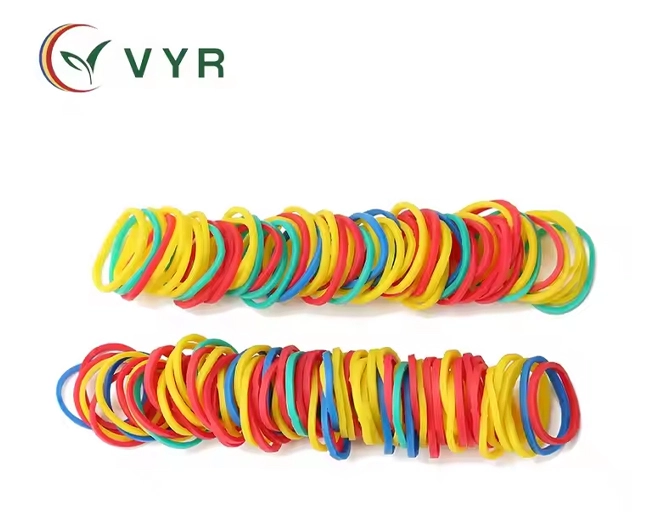
Rubber bands. Those tiny loops of stretchy goodness that hold your mail together or bundle up veggies from the market. You grab them without a second thought, right? But lately, whispers about their environmental impact have popped up. Are these everyday helpers secretly harming the planet? Let’s cut through the noise. In this post, we’ll unpack the real story behind rubber bands’ environmental impact. Spoiler: They’re far from the bad guys you might fear. We’ll look at the facts, the science, and simple ways to use them smarter. By the end, you’ll feel good about reaching for that next band.
What Exactly Are Rubber Bands Made Of?
Picture a rubber band in your hand. It’s simple, right? Just a circle of elastic material. But that simplicity hides a bit of natural wonder. Most rubber bands start with natural rubber, harvested from trees in tropical spots. This latex sap gets processed into the stretchy stuff we know. No fancy labs or chemical soups here—at least not for the good ones.
The Heart of It: Natural Rubber’s Story
Natural rubber comes from the brasiliensis tree, a tall grower that thrives in warm, rainy climates like those in Southeast Asia. Farmers tap the trees by scoring the bark, collecting the milky latex without killing the plant. One tree can yield for up to 30 years. That’s a renewable resource in action. Compare that to synthetic options, made from petroleum. Oil drilling? Not so green. Natural rubber bands skip that mess. They’re about 100% rubber content in many cases, pulling straight from nature. You get elasticity that snaps back seven times its length without breaking. Tough, right? And all while staying true to earth’s gifts.
But wait, not every band is created equal. Some mix in synthetics for extra durability. Those can linger longer in landfills. Stick to natural ones, though, and you’re on solid ground. The process keeps it straightforward: vulcanization adds sulfur to make it last, but it’s minimal and controlled. No wild pollution spikes. Think about it—your average band weighs less than a gram. Multiply that by billions used yearly, and yeah, scale matters. But the material choice tips the scales toward good.
Why Do People Worry About Rubber Bands’ Environmental Impact?
It’s easy to see why rubber bands catch flak. We hear about plastic waste choking oceans daily. So, when a band snaps and flies into the yard, minds jump to “another pollutant.” Fair enough. Let’s list out the big worries folks voice.
- Litter and Wildlife Snags: Lost bands can tangle birds or small critters. Remember those loom band scares a decade back? Tiny elastics mimicking rubber ones posed risks to pets and hedgehogs. Ouch.
- Degradation Doubts: Do they break down? Synthetics don’t, fueling fears of eternal trash piles.
- Production Footprint: Harvesting rubber—does it ravage forests? Southeast Asia’s rubber boom has cleared land, sure. But sustainable farms balance that.
- Chemical Leaks: Processing might release stuff into water or air. Is it toxic?
These points nag at us because we care. As shoppers, we want tools that help without hurt. The good news? Dig deeper, and rubber bands mostly dodge these bullets. They’re not perfect, but they’re players on the green team.
The Facts: Rubber Bands Are Not Harmful—Here’s Why

Alright, time to flip the script. Rubber bands, especially natural ones, pack an eco-punch in the best way. They’re biodegradable, renewable, and low-impact when sourced right. Let’s break it down. No hype, just straight talk from studies and real-world checks.
How Biodegradability Saves the Day
Drop a natural rubber band in soil or water. What happens? It starts crumbling. Microbes munch on it, UV rays from the sun crack it apart, and rain wears it down. Full breakdown? Months to a couple years, depending on conditions. Way faster than plastic’s centuries-long nap. Synthetics? They sit stubborn. Natural rubber’s polymers come from plants, so nature recycles them easy.
Take a park bench test. A band left out fades and fragments without a trace. No microplastic soup here. And that latex smell? It’s just the tree’s essence—harmless. For businesses bundling shipments or families packing lunches, this means less guilt. Reuse one band a dozen times? You’re stretching its life and shrinking waste.
Sourcing and Sustainability: From Tree to Band
Rubber trees aren’t just cash crops; they’re carbon sinks. A mature grove soaks up CO2 like a sponge, fighting climate woes. Over 90% of global supply hails from Southeast Asia, where farms often interplant with fruits or shade trees. Smart, huh? No monoculture nightmares.
Certifications like FSC keep it clean—sustainable forestry seals the deal. Factories then process with care: low-energy vulcanizing, water recycling. Emissions? Minimal compared to plastic molding’s furnace roar. One study on biobased rubbers highlights how these choices cut resource strain and boost recycling loops.
Waste not forgotten—scraps from production feed into new bands or even energy harvesters. Circular economy at work. For you, the user, it means bands that perform without penance.
Natural vs. Synthetic: A Quick Showdown
To hammer home the point, let’s compare. Natural rubber bands shine brighter.
|
Aspect |
Natural Rubber Bands |
Synthetic Rubber Bands |
|
Source |
Renewable tree latex |
Petroleum-based, non-renewable |
|
Biodegradability |
Breaks down in months to years |
Persists for decades |
|
Carbon Footprint |
Lower emissions in production |
Higher due to oil extraction |
|
Wildlife Risk |
Degrades faster, less entanglement |
Tougher, longer hazard |
|
Cost to Planet |
Supports biodiversity in farms |
Contributes to fossil fuel dependency |
See? Natural wins on most fronts. Sure, synthetics resist ozone better, but for everyday tasks? Go natural. It holds up fine—elastic, anti-aging, non-sticky.
Real-Life Angles: How Rubber Bands Fit Your World
Maybe you’re a teacher corralling art supplies, a farmer tying produce, or a parent packing snacks. Rubber bands touch all that. Their low weight means tiny transport emissions—ship a thousand, and it’s lighter than a laptop.
In offices, they organize cables without tape’s adhesive waste. At home, bundle herbs from the garden; they biodegrade if dropped. Even in fitness, loop them for resistance—durable enough for reps, gentle on skin.
But depth matters. Consider supply chains. Ethical sourcing avoids child labor in rubber fields, building trust. Brands that spotlight this? They elevate your choices, turning a simple buy into a statement. As a consumer, picking natural rubber bands boosts demand for green farms. Ripple effect: more trees, cleaner air. It’s personal power in a stretchy package.
Challenges exist, though. Heat warps rubber, as tests show—performance dips above 100°F. Store cool, and it’s golden. Ozone? A garage buddy helps. These tweaks keep impact low.
Smart Ways to Use Rubber Bands Without Worry
Want to dial it up? Here’s how to make your bands even greener. Small steps, big wins.
- Reuse Relentlessly: One band lasts weeks. Stretch it across jars, not toss it after one go.
- Buy in Bulk Wisely: Larger packs cut packaging waste. Look for minimal wraps.
- Recycle Right: Snapped? Toss in compost if natural. Or collect for community drives—some turn them into playground gear.
- Pair with Habits: Use for produce bags at stores; skip single-use plastics.
- Check Labels: Seek “100% natural” or “biodegradable” tags. Supports suppliers who care.
These aren’t chores. They’re easy swaps that fit your day. A teacher might loop bands on student folders—reusable magic. Farmers? Anchor tarps without nails. Everyone wins.
Introduce of Zhejiang VIET-Y Rubber Products Co., Ltd.
Before we dive into some common questions, a quick nod to a key player in this space. Zhejiang VIET-Y Rubber Products Co., Ltd., based in Yiwu City, China, has been crafting rubber band series products since 2010.With a nod to quality over cut corners, they’re a go-to supplier for folks seeking reliable, planet-smart elastics.
Wrapping It Up: Embrace the Stretch
So, where does that leave us on rubber bands’ environmental impact? Not harmful at all, when you choose wisely. Natural versions biodegrade, renew from trees, and pack a light footprint. Myths fade against facts: they’re helpers, not hazards. Next time you snap one into service, smile. You’re part of a loop that’s kind to the earth. Keep questioning, keep choosing green—it’s how we all stretch further.
Frequently Asked Questions
Are all rubber bands the same when it comes to eco-friendliness?
Nope. Stick to natural ones; they biodegrade fast. Synthetics linger, so check labels to keep your choice green.
How long does it take for a rubber band to decompose?
In soil or sunlight, a natural band might fully go in 6 months to 2 years. Factors like moisture speed it up.
Can rubber bands harm wildlife if littered?
Lost ones can snag animals short-term, but naturals degrade quicker than synthetics, cutting long-term risks. Best bet? Don’t litter—reuse instead.

Latest News
-
Feb. 26, 2026WHY RUBBER BANDS ARE SO IMPORTANT NOWDiscover why rubber bands are essential for office organization, productivity, and cost-effective administrative solutions.
-
Feb. 19, 2026The Safety and Compliance of TPU Elastics in Food Contact and Hygiene ApplicationsDiscover the safety and compliance of TPU elastics for food packaging and hygiene applications, ensuring durability and reliability.
-
Feb. 12, 2026Can TPU Rubber Bands Be Used in Medical or Health-Related ProductsTPU bands, medical products, compression garments, prosthetics, healthcare applications


