

Reusable TPU Bands: Cut Plastic Waste & Hit 2026 B2B Sustainability Goals
Time : May 28, 2026 View : 207
Why Reusable TPU Bands Matter in 2026
Sustainability pressure is no longer a soft trend—it’s a procurement benchmark. Hospitals, logistics companies, and industrial distributors are being pushed to cut single-use plastic waste while maintaining efficiency in packaging and equipment management. Disposable plastic ties and wraps have served their purpose, but they don’t align with 2026 sustainability goals or the circular economy models that many B2B buyers are now implementing.
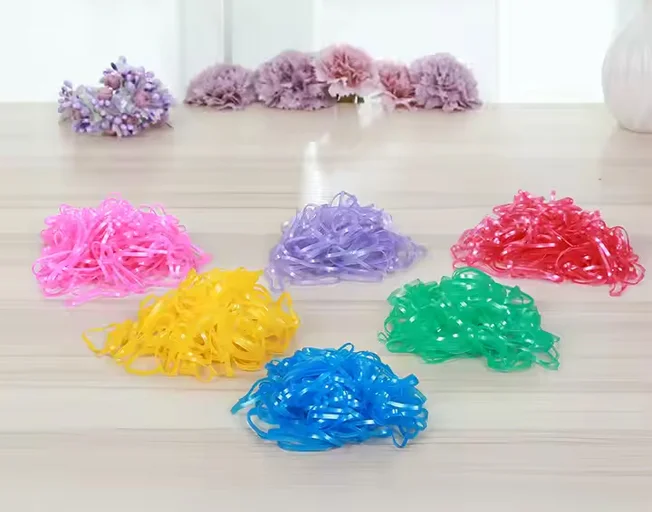
Reusable TPU bands—made from thermoplastic polyurethane—are stepping into this gap. They combine strength, elasticity, and reusability, offering a direct alternative to disposable materials in controlled environments like hospitals or warehouse loops.
Zhejiang VIET-Y Rubber Products Co., Ltd. has built a reputation as one of the earliest professional factories in China producing rubber band series products with high quality and low price. VIET-Y provides customizable elastic band solutions for industrial and healthcare-adjacent buyers seeking reusable and application-specific TPU bands that meet modern sustainability demands.
What Are Reusable TPU Bands?
A Practical Definition for B2B Buyers
Reusable TPU bands consist of elastic loops formed from thermoplastic polyurethane (TPU). In contrast to one-time ties or tapes, these bands stretch over and over without losing form or bounce. People use them to bundle cables, group items for shipment, or arrange equipment parts through several handling rounds.
Why TPU Is Different from Ordinary Plastic Ties
TPU differs from ordinary plastics because it combines flexibility with mechanical toughness:
- Strong elasticity for tight yet gentle bundling
- High tensile strength to resist breakage
- Abrasion resistance for long-term use
- Chemical resistance against oils and cleaning agents
- Smooth surface feel that avoids residue buildup
- Repeated-use potential without deformation
These qualities make TPU bands ideal for hospital departments managing sensitive instruments or logistics operations where packages are opened and resealed frequently.
Key Applications in Hospital Equipment Management
Medical Cable and Tube Organization
In hospitals, messy cords can be both inefficient and unsafe. TPU bands help organize medical cables, tubes, lightweight devices, and accessory kits without adhesives that leave residue on surfaces.
Laboratory and Diagnostic Packaging
Reusable TPU bands can bundle sample containers or small diagnostic instruments in non-sterile packaging situations—ideal when items need to be grouped temporarily during testing or internal transfer.
Hospital Storage and Internal Logistics
Departments can use color-marked TPU bands to separate equipment groups by area or function. In daily internal moves—for instance, from sterilization units to surgery rooms—these reusable fasteners maintain order without adding disposable waste.
For hospital tasks near patients or involving cleaning processes, purchasers need to verify material type, biocompatibility standards, cleaning compatibility, and regulatory compliance before buying.
Key Applications in Logistics Packaging
Replacing Single-Use Plastic Ties and Wraps
In warehouses or distribution centers, reusable TPU bands can replace disposable ties used for carton grouping or SKU bundling. They’re particularly effective in closed-loop systems where packaging materials return to the supplier.
Supporting Reverse Logistics
Reverse logistics depends on materials that survive multiple trips between suppliers, warehouses, hospitals, distributors, and service centers. TPU’s durability supports this model by reducing waste while maintaining consistent tension control over repeated use cycles.
Color-Coded Packaging Control
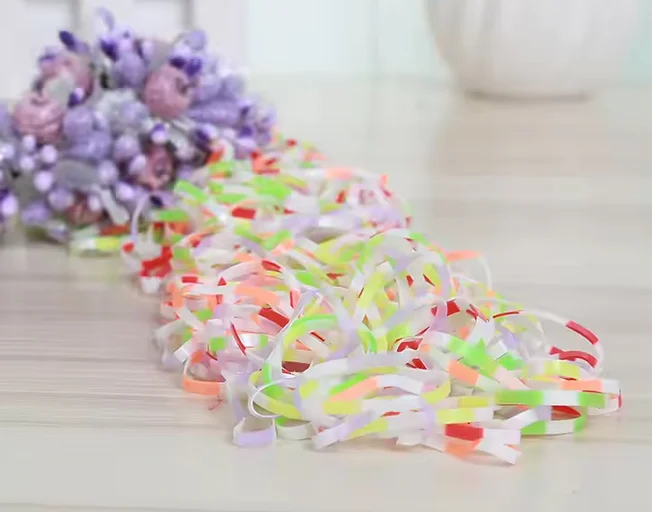
Different colors or sizes of TPU bands can indicate product categories or handling instructions—useful for fragile items or returnable packaging workflows that require quick visual identification.
How Reusable TPU Bands Help Reduce Plastic Waste
Waste Reduction Logic
Plastic waste reduction can be roughly calculated using:
Plastic waste reduced = single-use ties replaced × average tie weight × number of reuse cycles
If one reusable band replaces 20 disposable ties weighing 1 gram each over its lifespan, that’s a 95% reduction in material consumption per cycle—a measurable impact across thousands of packages annually.
Why Reuse Cycles Matter
The environmental value of reusable packaging only holds when items circulate often enough. McKinsey has noted that successful reuse systems need high rotation numbers; B2B reusable crates average around 24 rotations before replacement. That principle applies here too: closed-loop collection systems must track each band’s use cycle through internal SOPs rather than relying on vague “eco-friendly” claims.
Cost Savings for B2B Buyers
|
Cost Category |
Impact of Reusable TPU Bands |
|
Consumables |
Reduced purchases of single-use ties/tapes |
|
Labor |
Faster bundling/unbundling; no cutting tools needed |
|
Damage & Rework |
Soft texture prevents scratches; consistent tension reduces errors |
Lower Consumable Replacement Costs
Switching to reusable TPU bands means fewer reorders of disposable straps or tapes—a direct cost saving visible within months of adoption.
Lower Labor and Handling Costs
Operators save time since these bands stretch easily without tools or adhesive cleanup. In hospitals or warehouses where hundreds of bundles are handled daily, even seconds saved per task add up significantly.
Lower Damage and Rework Costs
Because TPU is soft yet strong, it minimizes risks such as over-tightening damage on delicate surfaces—a frequent issue with cable ties—and eliminates sticky residue left by tapes.
How to Choose Reusable TPU Bands for Bulk Procurement
Size, Thickness, and Stretch Ratio
Define the expected load capacity before ordering: light-duty (small instruments) versus heavy-duty (carton bundles). Typical stretch ratios range from 5× to 7× their resting length depending on formulation.
Material Grade and Compliance
Hospital-related buyers should confirm latex-free composition and compliance with REACH/RoHS standards if applicable. Cleaning compatibility—whether alcohol wipe-downs or autoclave sterilization—is another key specification point.
Customization Options
We have a professional designer team that specializing in creating new item. And we can provide OEM & ODM custom services. VIET-Y offers OEM/ODM customization covering size, hardness level, color coding schemes, packaging format, and application-specific design adjustments tailored to industrial use cases.
Supplier Reliability
Before large-scale procurement, test samples for consistency across batches. Buyers should evaluate export experience, lead times, inspection protocols, and after-sales support—factors that VIET-Y emphasizes through its structured foreign trade system ensuring timely delivery worldwide.
Why VIET-Y Is Relevant for Reusable TPU Band Buyers
Our mission is to connect the world with elastic strength, focusing on the research and development, production, and sales of rubber band products. VIET-Y’s product line spans TPU Series, Rubber Series, TPR Series, and Latex Series, covering diverse elastic applications from industrial supply chains to healthcare-adjacent uses. With advanced production lines and strict quality monitoring systems meeting international standards,our producis meet intemational standards.
Key strengths include:
- OEM/ODM development capability backed by professional design teams
- Custom sizing options supporting bulk orders with short lead times (typically 10–15 working days)
- Proven export experience ensuring reliable global delivery networks
- Application-based R&D enabling tailored material hardness or elasticity levels
The business outlook follows “customer first, forge ahead”, sticks to “customer satisfaction” as a core rule, and offers high-quality services to clients. This customer-centric approach makes VIET-Y a trusted partner for sustainable B2B packaging solutions. These fixes stem from actual work demands, not just standard guesses.
Conclusion
Reusable TPU bands give hospitals and logistics teams a straightforward path to cut plastic waste. At the same time, they keep dependable results. By integrating them into closed-loop systems—with color coding for traceability—organizations move closer to achieving measurable sustainability targets by 2026. For buyers seeking durable alternatives backed by OEM/ODM flexibility and consistent quality assurance across large orders, VIET-Y stands out as a capable manufacturing partner. It combines innovation with practical B2B support infrastructure.
FAQs
Q1: What are reusable TPU bands used for?
A: They’re used across hospital equipment management and logistics workflows—for bundling cables, organizing supplies, grouping SKUs in warehouses, or securing lightweight packages during transport cycles.
Q2: Can TPU bands replace single-use plastic ties?
A: Yes. In controlled reuse loops such as hospital storage systems or returnable packaging setups within supply chains, they effectively replace disposable ties while reducing overall plastic waste generation.
Q3: Are reusable TPU bands suitable for hospital use?
A: They can be suitable when properly specified—buyers should confirm compliance with medical-grade requirements like latex-free composition or sterilization compatibility before deployment in sensitive zones.
Q4: How do reusable TPU bands reduce packaging costs?
A: By minimizing repeat purchases of consumables like tape or cable ties while also lowering labor time spent on fastening tasks—and preventing rework caused by over-tightening damage common with rigid plastics.
Q5: What should B2B buyers check before bulk ordering TPU bands?
A: Check dimensions (diameter/thickness), tensile properties relative to load requirements, color coding needs for identification systems, expected reuse cycles per loop operation—and always validate supplier testing reports along with available OEM/ODM customization options provided by VIET-Y.

Latest News
-
Jun. 04, 2026TPU Elastics Safety & Compliance for B2B Food and Hygiene Packaging 2026VIET-Y offers high elastic food grade TPU rubber bands with FDA and EU compliance for food and hygiene packaging. Superior durability, abrasion resistance and safety. Contact us for samples and bulk custom solutions.
-
Jun. 04, 2026Customizable Rubber Bands: Key to B2B Organization and Efficiency in 2026VIET-Y specializes in high-elasticity natural rubber bands and customizable elastic bands for B2B logistics, offices, and supply chains. Durable, color-coded solutions with strong rebound deliver reliable performance and workflow efficiency. Contact us for a free quote.
-
May. 28, 2026Reliable Wholesale Rubber Band Suppliers: B2B Sourcing Guide 2026VIET-Y offers reliable wholesale rubber band solutions with strict quality control, OEM/ODM capability, timely delivery, and ISO certification. This B2B sourcing guide helps buyers select trusted suppliers for sustainable supply chains in 2026.


