

Boosting Factory Output with Rubber Bands in Automation
Time : Jan 01, 2026 View : 83
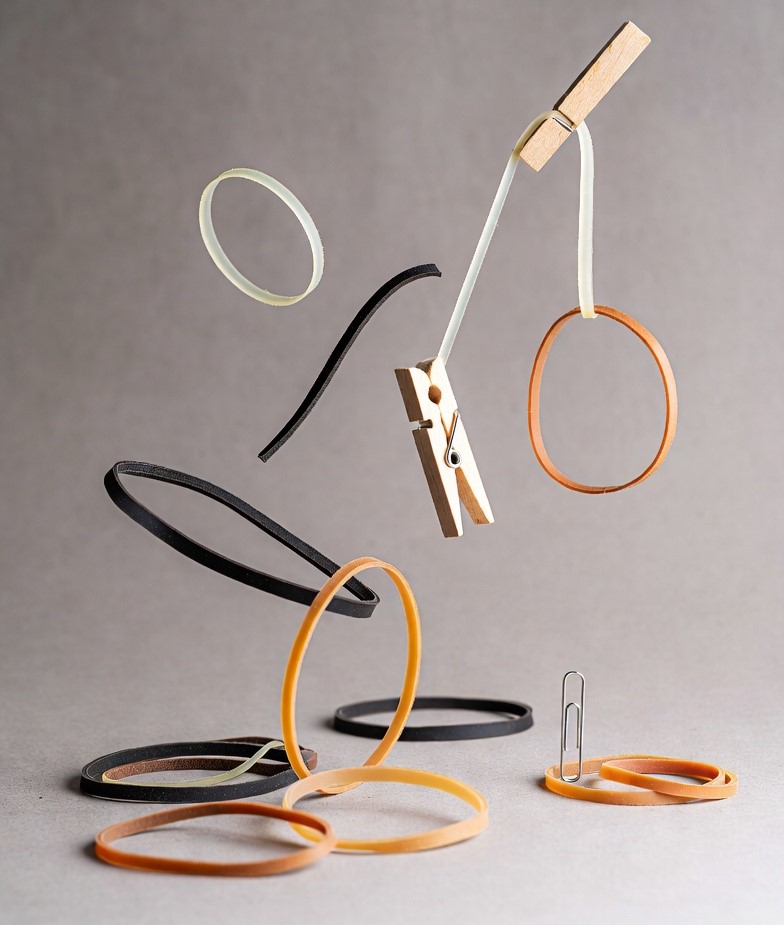
In today’s fast-paced manufacturing world, small tools often make a big difference. Rubber bands in automated manufacturing stand out as simple yet powerful aids that streamline processes and cut down on downtime. Factories across industries rely on them to hold parts steady during assembly or bundle items for quick packaging. This post dives into how these elastic loops enhance efficiency, backed by real-world applications and tips for integration.
Understanding Rubber Bands in Modern Factories
Rubber bands have evolved from office staples to key players in industrial settings. They provide quick, reliable tension without complex machinery. In automated lines, where speed matters, these bands help secure components as robots move them along conveyors.
Think about an electronics plant assembling circuit boards. Workers or machines use industrial rubber bands to group wires temporarily. This prevents tangles and ensures smooth flow into the next station. Data from industry reports show that such simple fixes can reduce error rates by up to 15% in high-volume operations.
Types of Rubber Bands Suited for Automation
Different materials suit various needs. Natural rubber offers strong stretch for heavy-duty tasks, while synthetic options resist heat in warmer environments. Sizes range from tiny loops for delicate parts to larger ones for bundling crates.
A smooth transition here: Selecting the right type isn’t just about material—it’s about matching the band’s properties to the machine’s demands.
Matching Bands to Machine Requirements
For conveyor systems, thicker bands provide grip without slipping. In food processing, non-toxic versions meet safety standards. One example: A car parts factory switched to wider elastic bands for automation, cutting setup time by 20 minutes per shift. This change came from testing different widths to find the best fit for robotic arms.
Ways Rubber Bands Cut Costs and Speed Up Lines
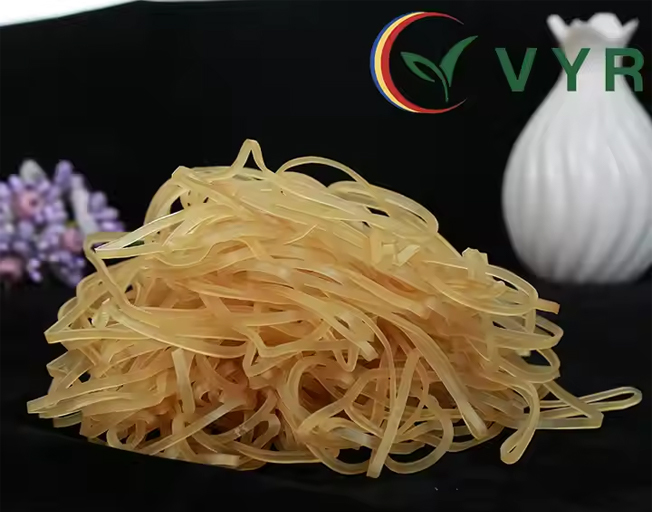
Cost savings add up quickly in factories. Benefits of rubber bands in factories include lower material waste and fewer repairs. Unlike tape or clips, bands reuse easily, stretching budgets further.
In packaging areas, bands group products for shipping. This method beats manual tying, which slows workers. Automated sorters then handle bundled items faster, boosting throughput.
Real-World Efficiency Gains
Take a textile mill using bands to hold fabric rolls during cutting. Before, rolls shifted, causing jams. After adding rubber bands for automated assembly, jams dropped by 30%, per shift logs. Numbers like these highlight why factories adopt them.
Moving from gains to strategies: Implementing these tools requires planning to avoid common pitfalls.
Step-by-Step Integration Tips
Start small. Test bands on one line to measure impact. Track metrics like cycle time before and after. Use bands with consistent elasticity to prevent variations that disrupt robots. In one warehouse, this approach raised picking accuracy to 98%.
Challenges and Solutions in Using Rubber Bands
No tool is perfect. Bands can wear out under constant use, leading to breaks. Heat or chemicals in some factories degrade them faster.
Solutions exist. Regular checks spot weak bands early. Stocking spares nearby keeps lines running. For harsh conditions, opt for durable rubber bands in manufacturing that withstand temperatures up to 100°C.
Overcoming Common Hurdles
Dust buildup weakens grip over time. Clean bands periodically or choose dust-resistant types. In a metalworking shop, switching to coated bands extended life by three months, reducing replacements.
Bridging to broader impacts: Beyond daily fixes, these practices build stronger operations overall.
Building Resilience in Operations
Consistent use fosters habits that elevate team performance. Workers trained on band applications spot issues quicker. This mindset spreads, improving overall factory flow.
Enhancing Brand Through Smart Tool Use
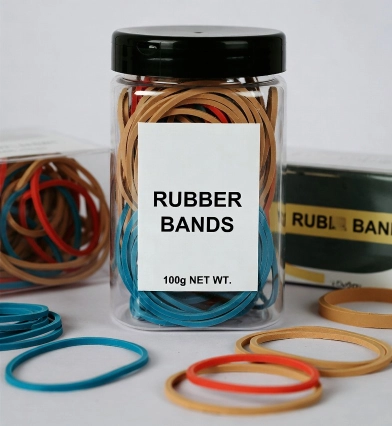
Factories that master small efficiencies like how rubber bands improve automation often see brand growth. Customers notice reliable deliveries from streamlined processes. Suppliers gain reputations for innovation when they share success stories.
In competitive markets, such details set companies apart. A packaging firm reported 25% more repeat business after publicizing their automation tweaks, including band usage.
|
Efficiency Metric |
Without Rubber Bands |
With Rubber Bands |
|
Assembly Time per Unit |
45 seconds |
30 seconds |
|
Error Rate |
12% |
7% |
|
Downtime per Shift |
15 minutes |
5 minutes |
Tables like this show clear wins. Bullet points break it down further:
- Faster setups: Bands snap on quickly, no tools needed.
- Less waste: Reusable nature cuts supply costs.
- Safer work: Reduces hand injuries from other fasteners.
Introducing a Reliable Supplier
For those seeking quality options, Zhejiang VIET-Y Rubber Products Co., Ltd. stands as a key player in the field. Based in Yiwu City, this company specializes in RUBBER BAND series products, including RUBBER SERIES, TPU SERIES, TPR SERIES, and LATEX SERIES. With a focus on high elasticity and durability, they supply bands that meet global standards for various industrial needs. Explore more on their about us page or check their products section for details.
Conclusion
Rubber bands prove essential in pushing automated manufacturing forward. They deliver quick wins in speed, cost, and reliability. Factories adopting them not only run smoother but also position themselves for long-term success in a demanding industry. For more insights, visit the service page on effective trade solutions.
FAQs
What role do rubber bands in automated manufacturing play in reducing downtime?
They secure parts swiftly, preventing shifts that cause jams. In many lines, this simple step cuts interruptions by half, keeping production steady.
How can I choose the right industrial rubber bands for my factory’s automation setup?
Look at material strength and size based on your machines. Test samples in real conditions to ensure they hold up without stretching too far.
Are there environmental benefits to using elastic bands for automation?
Yes, reusable bands reduce waste compared to single-use ties. Many options come from natural sources, supporting greener practices in factories.
Where can I find suppliers for durable rubber bands in manufacturing?
Reliable sources like specialized manufacturers offer bulk options. Check sites focused on industrial supplies, such as Zhejiang VIET-Y Rubber Products Co., Ltd., for quality choices.
Do rubber bands for automated assembly work in high-heat environments?
Certain types resist heat well, lasting longer in tough spots. Always match the band’s specs to your factory’s conditions for best results.

Latest News
-
Feb. 26, 2026WHY RUBBER BANDS ARE SO IMPORTANT NOWDiscover why rubber bands are essential for office organization, productivity, and cost-effective administrative solutions.
-
Feb. 19, 2026The Safety and Compliance of TPU Elastics in Food Contact and Hygiene ApplicationsDiscover the safety and compliance of TPU elastics for food packaging and hygiene applications, ensuring durability and reliability.
-
Feb. 12, 2026Can TPU Rubber Bands Be Used in Medical or Health-Related ProductsTPU bands, medical products, compression garments, prosthetics, healthcare applications


