

Aquaculture Rubber Bands for Seafood and Cold-Chain Use
Time : Mar 06, 2026 View : 544
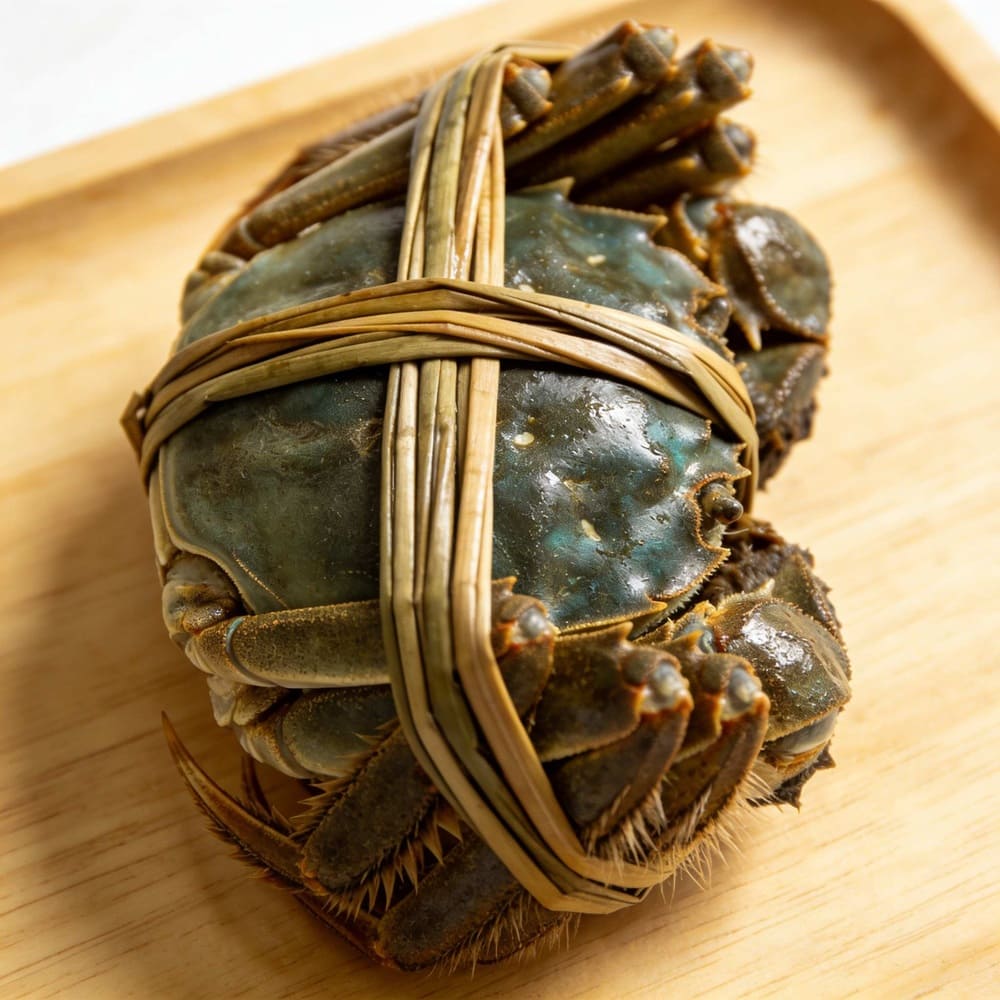
Aquaculture work moves fast. Workers must harvest shellfish, sort them by size and quality, secure them tightly, pack them carefully, and ship them quickly. All steps follow strict clean rules and exact temperature control. In this busy process, one small item often decides success. That item is the aquaculture rubber band. This band decides if oysters arrive with shells closed tight, if crab claws stay secure, and if mesh bags remain intact in wet, salty, and low-temperature environments.
Seafood processors and distributors face real daily challenges. These are not just ideas on paper. Bands get hit by salt spray, melting ice, sub-zero storage, and repeated handling. Stretchiness often drops in cold rooms. Some materials harden and snap suddenly. Others swell or break down in brine. Cost pressure is always high. Yet reusability and reliability cannot be lost.
This article looks at how seafood rubber bands work in shellfish securing, bag closing, and cold-chain handling. It shows how choosing latex, synthetic rubber, TPU, or TPR directly affects performance in humid and salt-fog conditions.
Why Rubber Bands Matter in Modern Aquaculture
Seafood packaging has changed from simple rope ties to standard food-safe elastic bands. The reasons are very practical.
A rubber band goes on in just seconds during high-volume packing. It spreads pressure evenly without damaging shells or claws. Workers can remove and reuse it during inspection. It takes almost no storage space in plants.
Bands are used in three main stages between harvest boats and wholesale markets.
Shellfish securing comes first. Crabs, lobsters, and some shellfish need claws or shells held tight to prevent damage during transport. A good seafood rubber band keeps tension even at 0–4°C. Regular elastics often lose up to 30% of their bounce strength at these temperatures.
In wet deck conditions, bands get splashed with seawater many times. Salt crystals form and UV light speeds up aging. If stretchiness drops, claws loosen and injury risk rises. This hurts product grade and survival rates.
Mesh bag closing is second. Oysters, mussels, and scallops go into net or mesh bags. Closures must be quick, firm, and work with machines. Elastic bands beat metal clips in cold rooms because they do not rust and remove without tools.
When bags stack under ice, closure points face pressure and moisture cycling. Bands must resist slow shape change and stay bendy in low temperature.
Cold-chain handling is third. From quick freezing to refrigerated trucks, bands face cold shrinking and repeated stretching. Some rubber mixes stiffen fast below 5°C. Others stay flexible but crack after freeze-thaw cycles.
For exporters shipping live shellfish, band reliability is a key supply chain factor. A failed closure can cause contamination, dehydration, or product loss.
These points show why bands are essential in the industry.
Environmental Pain Points in Seafood Applications
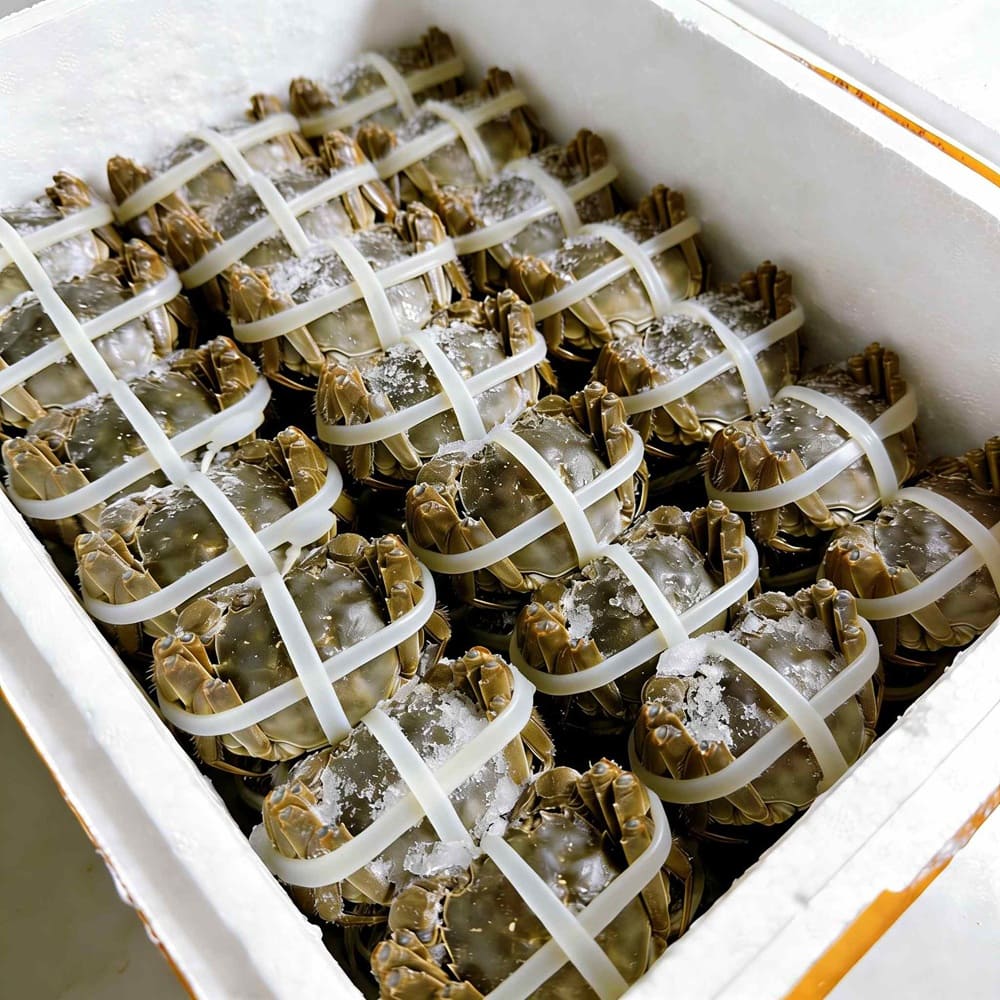
Aquaculture is not a dry warehouse. Performance needs differ greatly from office or general packaging elastics.
High humidity and salt fog cause big problems. Brine speeds up chemical breakdown. Natural latex offers good stretch but may need special treatment to fight salt aging. Synthetic rubber is often chosen for better chemical stability.
Salt fog tests near coastal plants show that poor compounds lose surface quality in weeks. Surfaces whiten, micro-cracks appear, and they feel sticky. These are clear failure signs.
Low-temperature stretchiness drop is another issue. Stiffness changes with cold. In cold storage, many normal bands turn rigid and lose recovery.
A comparison at 0°C shows the differences clearly: Latex has high initial stretch, moderate cold and salt resistance, and medium reusability. Synthetic rubber gives stable stretch, better cold retention, good salt resistance, and high reusability. TPU provides excellent cold flexibility, excellent salt resistance, and high reusability. TPR offers good softness and stability, good salt resistance, and medium to high reusability.
In blast freezing below –18°C, TPU bands often stay flexible longer than traditional ones.
Reusability helps control costs. Processors work on tight margins. Reusable bands cut expense per cycle, especially for crab and lobster securing where bands get removed and reapplied during grading.
However, reusability needs strong tear resistance, good elongation, and creep resistance. Bands that fail after one stretch raise total cost instead of lowering it.
Material Options for Aquaculture Rubber Bands
Choosing the right band starts with understanding real conditions.
Latex series is known for high elasticity and smooth surface. It gives strong rebound and steady tension. It suits shellfish securing where tight closure is critical. In moderate cold, latex stays bendy, but long salt and UV exposure needs good storage. It is cost-effective for fast indoor packing and short seafood transport.
Rubber series (synthetic rubber) offers better resistance to saltwater, ozone, and temperature changes. These bands are common in coastal plants. They show less surface damage in humid storage and keep tensile strength after repeated stretching. Exporters like them for steady performance and lower breakage.
TPU series is popular in cold-chain logistics. It keeps flexibility at low temperatures and resists abrasion well. In frozen packaging or sub-zero storage, TPU does not harden. Its smooth non-porous surface reduces moisture absorption and maintains size. It offers long service life for frequent reuse with ice and meltwater.
TPR series mixes rubber-like elasticity with easy processing. These bands are flexible, resist fatigue, and suit repeated stretching. They give consistent tension in bag closing lines and work well in various sizes for machines. They balance cost and durability in medium-scale facilities.
With these material options available, it helps to see them in actual situations.
Application Scenarios in Detail
Live crab export is a good example. Crabs are harvested, washed, and sorted quickly. Each claw gets secured. Bands must stretch easily over wet surfaces without slipping. If stretch drops in cold rooms, bands loosen. In 24–48 hour shipments, steady tension cuts mortality and damage.
Oyster and mussel packing lines fill bags by weight (5 kg to 25 kg). Closures go on by hand or machines. Bands stretch wide around thick mesh then contract firmly. In chilled rooms, condensation builds. TPU or synthetic rubber handles long cold storage better without becoming brittle.
Frozen seafood warehousing at –18°C makes packaging contract. Bands for temporary bundling must stay flexible during handling. Standard elastics may crack when stretched cold. Cold-resistant types reduce breakage and keep handling safe.
These real examples show how bands perform every day.
Selecting the Right Seafood Rubber Band
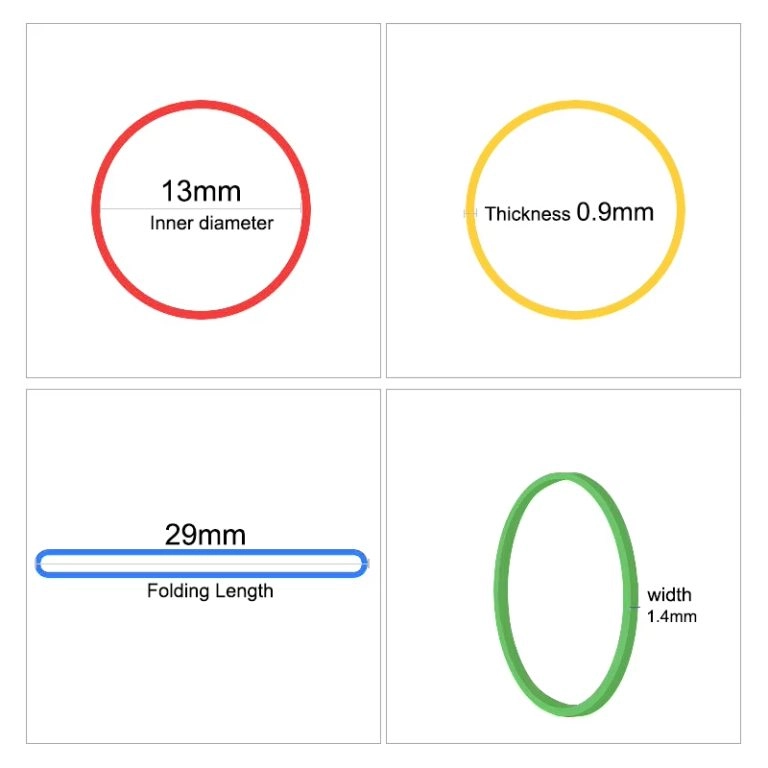
Buying decisions should look beyond price per kilogram. Check temperature range, salt exposure, needed stretch percent, reuse frequency, and food safety compliance.
Tests in simulated cold and salt-fog conditions give useful data. Tensile strength after 72 hours in humid cold shows long-term reliability. Uniform thickness reduces weak points and improves load distribution.
Manufacturing Capability and Supply Stability
Reliable bands come from controlled manufacturing. Precise mixing, heating, and quality checks ensure consistent elasticity. Seafood processors prefer suppliers with stable standards and scalable output.
About Zhejiang VIET-Y Rubber Products Co., Ltd.
Zhejiang VIET-Y Rubber Products Co., Ltd. specializes in rubber bands for industry and packaging. It supplies RUBBER SERIES, TPU SERIES, TPR SERIES, and LATEX SERIES for humid and temperature-sensitive uses. With good production lines, in-house quality control, and export experience, the company offers custom sizes, material help, and bulk supply. It focuses on steady stretch, size stability, and food-safe standards.
Conclusion
In aquaculture and seafood logistics, rubber bands are not minor extras. They directly affect product quality, handling efficiency, and cold-chain reliability. Humidity, salt fog, and low temperature create tough conditions that reveal weak materials.
Selecting the right aquaculture rubber band—latex, synthetic rubber, TPU, or TPR—depends on temperature, salt level, and reuse needs. When matched correctly, bands keep elasticity, resist stress, and control long-term costs. Material science and steady manufacturing matter more than unit price.
FAQs
What is the best for cold storage?
TPU and certain synthetic rubber keep stretch better than standard latex below 0°C and reduce snapping.
Are they reusable?
High-quality synthetic rubber or TPU bands handle many stretches without losing tension and lower per-use cost.
How do they perform in saltwater?
Improved chemical-resistant bands last longer in humid and salt-fog conditions with proper storage.
Can they close oyster mesh bags?
Yes. They apply quickly, do not rust, remove easily, and stable low-temperature types work well in chilled storage.
What affects lifespan?
Temperature changes, salt and UV exposure, stretch frequency, and storage conditions. Right material for the job extends life greatly.

Latest News
-
Jun. 04, 2026TPU Elastics Safety & Compliance for B2B Food and Hygiene Packaging 2026VIET-Y offers high elastic food grade TPU rubber bands with FDA and EU compliance for food and hygiene packaging. Superior durability, abrasion resistance and safety. Contact us for samples and bulk custom solutions.
-
Jun. 04, 2026Customizable Rubber Bands: Key to B2B Organization and Efficiency in 2026VIET-Y specializes in high-elasticity natural rubber bands and customizable elastic bands for B2B logistics, offices, and supply chains. Durable, color-coded solutions with strong rebound deliver reliable performance and workflow efficiency. Contact us for a free quote.
-
May. 28, 2026Reliable Wholesale Rubber Band Suppliers: B2B Sourcing Guide 2026VIET-Y offers reliable wholesale rubber band solutions with strict quality control, OEM/ODM capability, timely delivery, and ISO certification. This B2B sourcing guide helps buyers select trusted suppliers for sustainable supply chains in 2026.


