

Common Uses of Rubber Bands in Children’s Education and DIY Activities
Time : Jan 22, 2026 View : 657
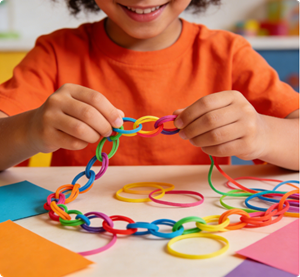
Rubber bands are common things that lots of homes often forget about. But they have lots of uses for learning and fun do-it-yourself tasks for kids. People mostly use them to hold stuff together. Yet they can do much more than that. In this blog, we look at how rubber bands help with kids’ learning and homemade projects. We also share easy safety tips and advice on picking safe, strong ones. If you are a mom, dad, teacher, or someone who likes making things, this guide shows how rubber bands help with fun learning and safe play.
The Versatility of Rubber Bands in Children’s Education
Rubber bands work as cheap, but very useful items for teaching. This is true for little kids. From early school to basic classes, these small stretchy bands fit well in any room or home study spot. Here, we talk about a few ways to use rubber bands for learning.
1. Teaching Basic Math Concepts
For young school kids, rubber bands help a lot with simple math ideas like counting, adding, taking away, and even times tables. Moms, dads, and teachers can show numbers and math questions with them. For example, a bunch of rubber bands can stand for groups of things. This makes counting simpler for small students. Also, rubber bands can teach sharing and parts by pulling them into different lengths or putting them in groups.
2. Encouraging Creativity in STEM Learning
Science, tech, building, and math classes get better with real touch activities. Rubber bands play a big part here. Kids can make easy tools, like throwers or cars that run on stretch power. This helps them get basic building rules. In science classes about movement, rubber bands show ideas of push, pull, and stretch in a real way. So kids grasp hard ideas better.
3. Fine Motor Skills Development
Rubber bands suit well for aiding small kids to build hand skills. Pulling and handling rubber bands can boost eye-hand match, finger power, and quick moves. These skills matter for jobs like writing, drawing, and everyday tasks. When kids use rubber bands in learning games, they also get better at fixing problems. This helps a lot in school.
4. Teaching Color Recognition and Sorting
Rubber bands come in many shades. So they work great for showing colors and grouping. Teachers and parents can set up fun tasks where kids sort rubber bands by hue, length, or form. This builds thinking skills and teaches about types. It’s key for spotting patterns and putting things in order in school and life.
Rubber Bands in DIY Projects: Fun and Engaging for Children
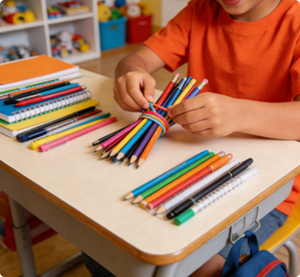
Rubber bands show up a lot in make-your-own tasks too. These jobs not only spark ideas but let kids use what they learned in a happy, real way. Here are some make-your-own ideas that use rubber bands well.
1. Crafting and Art Projects
People use rubber bands a bunch in making stuff. Kids can tie them to create arm bands, key holders, or other fun shapes. The bands can twist together for detailed looks or pull over shapes to form things. Kids can also wrap them around blocks or soft items to make print tools. These make activities push art sharing. At the same time, they let kids boost their ideas and fix-issue skills.
2. Rubber Band Bracelets and Accessories
One top make-your-own task with rubber bands is building arm bands and add-ons. Kids can make bright patterns and looks by twisting rubber bands with easy holders or just hands. Then they can wear these or give them away. This builds pride and fresh thoughts. The task grabs older kids and teens most. It gives a simple start to learn about looks and balance.
3. Simple Rubber Band Games
Rubber bands fit into many old games too. Think of shooting matches or tossing contests with them. These games bring joy and push fair play and body moves. Plus, they sharpen eye-hand match, focus, and group work.
Safety Considerations for Using Rubber Bands with Children
Rubber bands offer many uses for kids’ school and make-your-own tasks. But safety matters a lot when using them. These safety hints can stop mishaps and let kids have fun without harm.
1. Choose High-Quality, Non-Toxic Rubber Bands
When picking rubber bands for kids, go for those without bad stuff and no harm chems. Strong rubber bands from real latex or TPU stuff are often the best for school and making tasks. Skip ones with a sharp chem scent. They might have bad adds.
2. Supervise Young Children
Rubber bands seem safe most times. But never leave small kids alone with them. Little ones might try to eat them or swallow. This can block breathing. Always watch kids close during make or learn tasks with rubber bands.
3. Avoid Excessive Stretching
It can be fun to pull rubber bands far. But take care. Pulling too much can make them break quick. This might hurt eyes or face. Show kids to touch rubber bands soft and skip hard pulls that lead to hurts.
4. Store Rubber Bands Properly
Good keeping of rubber bands counts as a key safety step. Put them in tight boxes to stop them from getting weak and breaking easy. Also, keep them away from very small kids. This stops eating by mistake or wrong use.
How to Choose the Right Rubber Bands for Children’s Activities
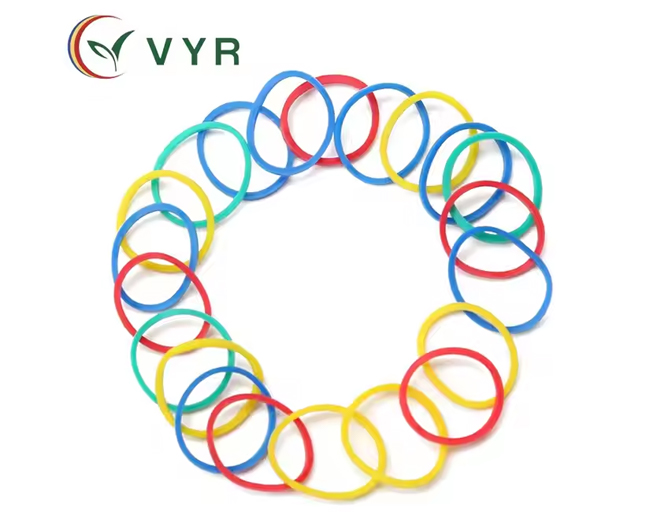
When buying rubber bands for school use or make-your-own jobs, think about a few main points for safety and work.
- Material: Choose rubber bands made from natural rubber or high-quality synthetic materials like TPU or TPR. These materials are more durable and safer for children’s use.
- Size: Select rubber bands that are appropriately sized for the intended activity. Smaller rubber bands may be more suitable for fine motor exercises, while larger bands may work better for crafting projects.
- Durability: Choose rubber bands that are durable and resistant to snapping. High-quality rubber bands last longer and maintain their elasticity better than cheaper alternatives.
- Non-Toxicity: Always verify that the rubber bands you purchase are non-toxic and free of harmful chemicals. This is especially important for younger children who may accidentally put the bands in their mouths.
Zhejiang VIET-Y Rubber Products Co., Ltd.: A Trusted Rubber Band Supplier
Zhejiang VIET-Y Rubber Products Co., Ltd. specializes in the production and supply of a wide range of rubber bands made from high-quality materials such as rubber, TPU, TPR, and latex. Their products are ideal for both educational and DIY applications, offering durability, safety, and versatility. With years of expertise in the rubber products industry, VIET-Y is committed to providing top-notch products that meet the highest safety and quality standards. Their rubber bands are used in various educational settings, crafts, and home activities, helping children develop essential skills while having fun.
Conclusion
Rubber bands are basic, low-cost items that can change kids’ learning and ideas a lot. If used for simple math, fun make-your-own crafts, or building hand skills, rubber bands give many chances for joy and school. By picking safe, strong, and no-harm rubber bands, moms, dads, and teachers can make sure kids do these tasks without risk and well. Always think of safety, watch small kids, and choose good items to get the best from these handy school tools.
FAQs
1. Are rubber bands safe for young children?
Yes, rubber bands can be safe for young children when used under supervision. Choose non-toxic, high-quality rubber bands and ensure that they are not small enough to pose a choking hazard.
2. Can rubber bands be used in school projects?
Absolutely! Rubber bands are perfect for STEM projects, math games, and other hands-on learning activities that engage children’s creativity and problem-solving skills.
5. How should I store rubber bands safely?
Store rubber bands in an airtight container to prevent them from becoming brittle or losing elasticity. Keep them out of reach of very young children.

Latest News
-
Jun. 04, 2026TPU Elastics Safety & Compliance for B2B Food and Hygiene Packaging 2026VIET-Y offers high elastic food grade TPU rubber bands with FDA and EU compliance for food and hygiene packaging. Superior durability, abrasion resistance and safety. Contact us for samples and bulk custom solutions.
-
Jun. 04, 2026Customizable Rubber Bands: Key to B2B Organization and Efficiency in 2026VIET-Y specializes in high-elasticity natural rubber bands and customizable elastic bands for B2B logistics, offices, and supply chains. Durable, color-coded solutions with strong rebound deliver reliable performance and workflow efficiency. Contact us for a free quote.
-
May. 28, 2026Reliable Wholesale Rubber Band Suppliers: B2B Sourcing Guide 2026VIET-Y offers reliable wholesale rubber band solutions with strict quality control, OEM/ODM capability, timely delivery, and ISO certification. This B2B sourcing guide helps buyers select trusted suppliers for sustainable supply chains in 2026.


