

Food-Grade Rubber Bands for Produce Material & Sizing Guide
Time : Jan 08, 2026 View : 630
In high-volume produce packing, food grade rubber bands are a tiny line item that can create outsized headaches—re-bundling labor, crushed stems, retail complaints, and “mystery” breakage that only shows up after cold storage or a long truck route. For procurement teams supplying multiple packhouses or multi-location distribution, the goal is not “a band that stretches.” It’s a band that holds consistently through wet handling, temperature swings, and fast-paced line work, without staining, slipping, or cutting into tender items.
This guide walks through what buyers often miss: how “food-grade” should be defined in an RFQ, how material choices shift performance in moisture and cold chain conditions, and how to size produce rubber bands so they hold without bruising.
Why Produce Bundling Bands Fail in Real Operations
When a band fails, it rarely fails in the conference room. It fails at 6 a.m. on a wet line, when product is cold, hands are gloved, and pallets are queued. In large-scale produce programs, the most common failure patterns look like this:
Moisture changes the friction story. A band that grabs well on a dry bunch may slide on a misted display or wet-trimmed stems. Cold storage changes elasticity and recovery; some elastomers rebound slowly, so the bundle loosens after a few hours in the cooler. Transport adds vibration and compression, turning “good enough” into creep and slip.
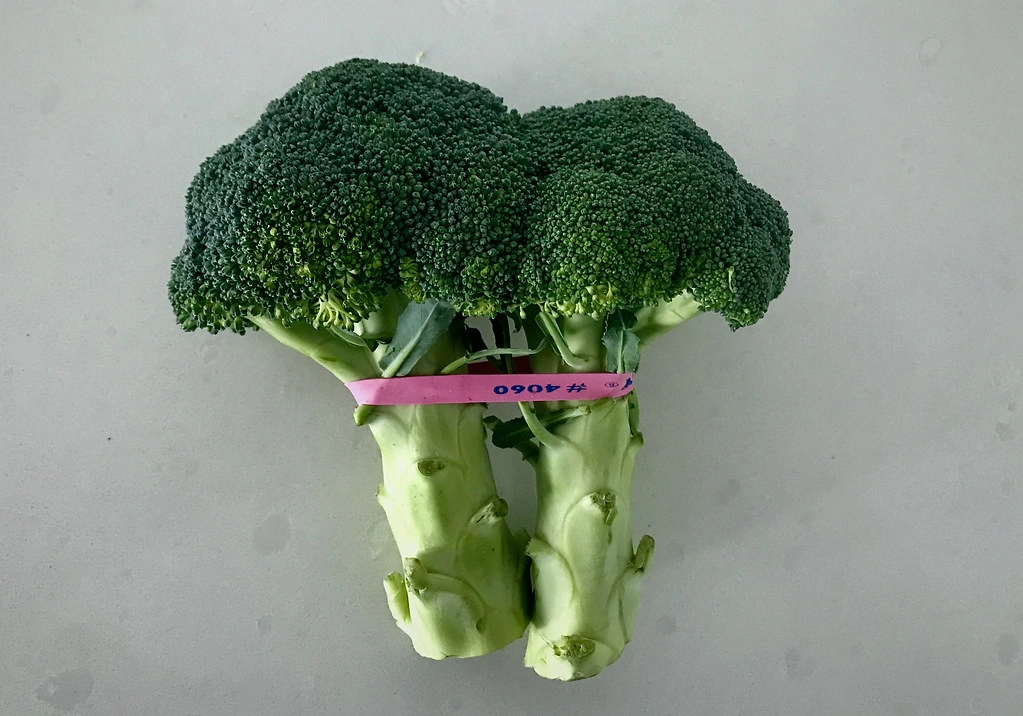
Many suppliers describe agricultural/produce bands as bands that “keep their hold even as produce loses moisture” and emphasize waterproof performance and stain avoidance as key benefits. That framing is useful for buyers, because it highlights the real battleground: the band has to keep tension as the product dehydrates and the surface condition shifts.
What “Food-Grade” Means in Procurement Terms (Not Marketing Terms)
Buyers often search “food safe rubber bands” and land on pages that simply claim compliance. That is not enough for a purchase order.
Start by defining the use case: direct food contact versus indirect contact. If the band touches produce that will be sold and handled as-is, buyers typically treat it as direct-contact packaging. In the U.S., many rubber articles marketed for direct food contact reference FDA food-contact frameworks (for example, 21 CFR 177.2600 is commonly cited for rubber articles intended for repeated use in contact with food). In the EU, buyers frequently run into general food-contact and good manufacturing practice (GMP) expectations for materials and articles intended to come into contact with food.
Practically speaking, procurement teams should request documentation that matches your channel: compliance statements relevant to your target market, batch traceability, and a clear description of material composition at the level needed to manage risk. If you’re supplying retailers, you also want consistency over seasons—because a supplier swap mid-harvest creates chaos at store level.
Material Selection: Natural Rubber, Latex, and Alternatives Under Wet and Cold Conditions
Many produce bundling bands are natural rubber/latex-based, because they deliver strong elasticity at low cost and are widely used in agricultural bundling. That said, “natural rubber band” is not one uniform product. Formulation choices can change odor, surface tack, aging resistance, and how the band behaves after cold storage.
For buyers managing wet lines or misted displays, a practical way to think about it is performance first, chemistry second. You want to specify what the band must do: hold tension as moisture changes, avoid leaving marks or stains, and resist snapping in chilled storage.
On the Zhejiang VIET-Y Rubber Products Co., Ltd. product structure, the most directly relevant landing area for produce bundling is the rubber band category that explicitly references supermarket vegetables and general-purpose bundling.
rubber bands for supermarket vegetables
If your program requires a specific natural rubber/latex construction—often requested when buyers want a traditional elastic feel or specific tensile behavior—then the latex-focused range may be appropriate for sampling and spec discussion.
natural latex rubber bands for produce bundling
The key is to keep the article honest: “food-grade” is not a universal label across every rubber band in existence. It is a claim that must match the band’s formulation, manufacturing controls, and the documentation you can file for your customer.
Sizing That Prevents Damage: Width, Thickness, and Stretch Window
Most sizing mistakes come from an overly simple idea: tighter is safer. It isn’t. For tender herbs, scallions, asparagus, and leafy stems, over-tension bruises product and shortens shelf life. Under-tension looks fine on the line but fails at retail.
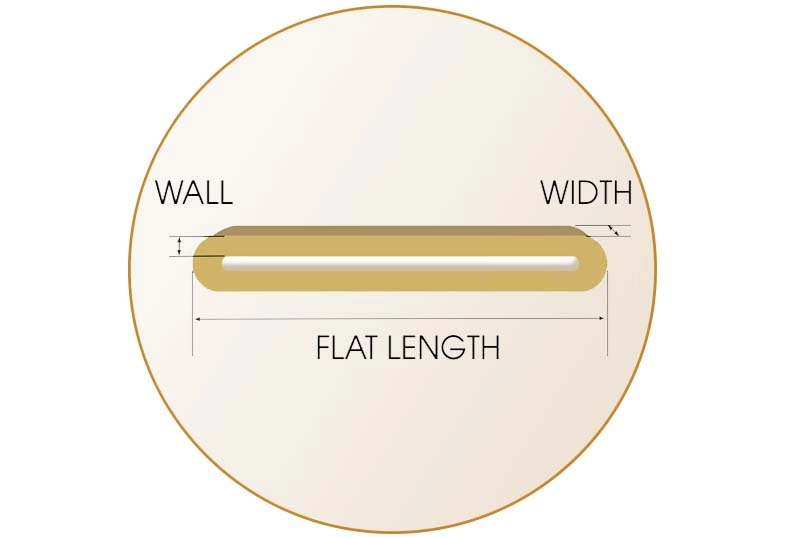
In produce programs, buyers often encounter standard sizes such as #63 or #73 in the market. Size #63 is frequently described around 3 inches long by 1/4 inch wide (length is typically measured as lay-flat length). The point isn’t to memorize one number. The point is to build a repeatable sizing method.
How to size without turning it into guesswork
For procurement teams supporting multi-location packing, define a “stretch window” rather than a single dimension. That window describes how far the band is stretched in normal use. If your line bundles the same SKU at slightly different diameters—because bunch weights vary by field or season—the stretch window prevents the band from being “perfect” only for a narrow slice of product.
Width matters more than many buyers think. A narrow band concentrates pressure and can cut into tender items, especially after cold storage when tissue is less forgiving. A wider band spreads load and often looks better at retail, but it may require a different thickness to maintain the same holding force. Thickness influences snap resistance and aging; too thin may break under fast line work, too thick may feel overly stiff and can slip if surface friction is low.
Moisture & Cold Chain Performance: The Make-or-Break Section
In commercial produce handling, moisture is constant: wash-downs, trimming, condensation, misted displays, and fluctuating humidity in cold rooms. Some produce band suppliers explicitly market bands that remain effective as produce loses moisture, and emphasize waterproof performance and non-staining behavior as operational benefits. That aligns with real buyer concerns: a band that creeps when the product dehydrates becomes a re-bundling job for store staff.
What to test before you scale an order
You do not need a laboratory to avoid the most common failures. You need a simple pilot plan that mimics your reality.
First, run a short line trial at normal speed with wet-handling conditions. Watch for slipping during bundling and immediate rebound. Second, place bundled product in your typical cold storage conditions, then re-check tension after a dwell period. Third, simulate transport stress: stack compression and vibration. If the bundle loosens or bands snap disproportionately, you have a specification problem—not a “bad batch” mystery.
In multi-site supply programs, run the same test across at least two sites if your handling differs. A band that behaves well in one packhouse may behave differently where water temperature, trimming practices, or storage humidity varies.
Branding and Traceability Without Making Line Work Slower
Some buyers want custom colors or printed markings for SKU separation and retail handling. That can make sense, especially when store staff need quick identification, or when certain lots must be segregated. But printing and color also introduce constraints: lead time, minimum order quantities, and potential issues around color transfer or odor if the formulation is not controlled.
From a procurement angle, branding features should be justified by a measurable operational gain: fewer mis-picks, faster store replenishment, or fewer claims. If you can’t name the gain, keep it simple and spend your effort on moisture and cold chain stability.
About Zhejiang VIET-Y Rubber Products Co., Ltd.
Zhejiang VIET-Y Rubber Products Co., Ltd. is based in Yiwu City, Zhejiang Province, and was established in 2010 as one of the earlier professional factories in China focused on rubber band series products. The company positions itself around consistent quality at competitive pricing, with products supplied across global markets, and highlights OEM/ODM capability supported by quality monitoring and inspection systems.
For buyers sourcing produce bundling bands, that matters in practical terms: you want a supplier that can translate your use case into an actionable spec, provide sampling that matches the bulk product, and support custom sizing and packaging requirements without destabilizing quality.
Conclusion
Produce bundling looks simple until it scales. In real commercial programs, rubber bands fail because moisture, cold storage, and transport expose small weaknesses in tension retention, surface behavior, and aging. The buyer’s job is to specify a band as a performance component: define direct-contact expectations, choose a material and construction that behaves under wet and cold conditions, and size for a stretch window that holds without bruising. When you treat produce rubber bands as a controlled packaging input—tested like your line actually runs—you reduce store-level rework and avoidable claims.
FAQs
What are food grade rubber bands made of for produce bundling?
Many produce bands are based on natural rubber/latex-style elastomers, because they deliver strong elasticity and are widely used in agricultural bundling. What matters for buyers is not the generic label, but whether the supplier can provide documentation for your market and whether the band holds tension under wet handling and cold storage conditions.
Are rubber bands safe for direct food contact with vegetables?
Buyers typically treat bands that touch produce as direct-contact packaging and request compliance statements aligned to the destination market. In the U.S., rubber articles for food contact are often discussed in relation to FDA food-contact frameworks (commonly cited examples include 21 CFR 177.2600). In the EU, buyers may also reference GMP expectations for food-contact materials.
What size rubber band is commonly used for asparagus or broccoli?
In the market, buyers frequently encounter standard sizes such as #63 for produce bundling, and it is often described around 3 inches in length by 1/4 inch in width (measured as lay-flat length). Your best choice still depends on bundle diameter, desired stretch window, and whether you need a wider band to avoid cutting into tender items.

Latest News
-
Jun. 04, 2026TPU Elastics Safety & Compliance for B2B Food and Hygiene Packaging 2026VIET-Y offers high elastic food grade TPU rubber bands with FDA and EU compliance for food and hygiene packaging. Superior durability, abrasion resistance and safety. Contact us for samples and bulk custom solutions.
-
Jun. 04, 2026Customizable Rubber Bands: Key to B2B Organization and Efficiency in 2026VIET-Y specializes in high-elasticity natural rubber bands and customizable elastic bands for B2B logistics, offices, and supply chains. Durable, color-coded solutions with strong rebound deliver reliable performance and workflow efficiency. Contact us for a free quote.
-
May. 28, 2026Reliable Wholesale Rubber Band Suppliers: B2B Sourcing Guide 2026VIET-Y offers reliable wholesale rubber band solutions with strict quality control, OEM/ODM capability, timely delivery, and ISO certification. This B2B sourcing guide helps buyers select trusted suppliers for sustainable supply chains in 2026.


