

The Journey of Rubber Bands: From Basic Loops to Everyday Essentials
Time : Nov 21, 2025 View : 601
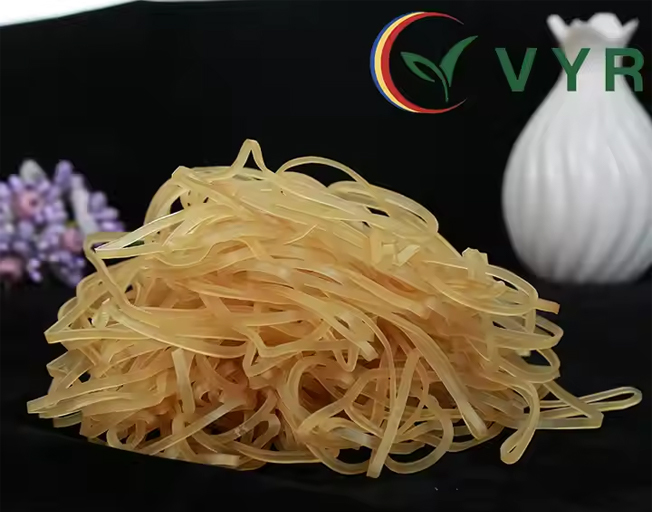
Rubber bands. You likely keep some in your desk right now. They are those flexible bits that tie papers or close bags. But did you ever wonder about their start? Their tale is more fun than you think. It goes back far in time and comes up to the smart ways we use them now. In this post, we will go through the evolution and development of rubber bands. We will look at how they changed from a wild find into a key item in houses, work spots, and plants. Hang on – you could spot some neat facts.
Early Starts: How Rubber Bands Began
Rubber bands did not pop up suddenly. Their base ties to the find of rubber itself. Folks have used stretchy stuff for ages, but rubber made a big shift.
The Find of Natural Rubber
Way before plants made bands by the bunch, old groups in Central and South America knew rubber. The Maya and Aztecs played with balls from rubber tree sap. They named it “caoutchouc,” which means “crying wood” in their tongue. This gooey latex turned hard into a springy stuff. It was strong and bendy – great for easy tools.
Jump to the 1700s. Folks from Europe brought bits back. Experts got keen. Charles Goodyear, a guy from America who made things, found how to keep rubber steady in 1839. He blended it with sulfur and warmed it. This step, called vulcanization, stopped rubber from melting in warmth or splitting in chill. All at once, rubber was no joke. It turned handy for many items.
The First Rubber Bands: An Easy Idea
By the mid-1800s, a person thought to slice rubber into slim rings. In 1845, a man from England named Stephen Perry got the first patent for rubber bands. He worked at a place making rubber items and saw chance in cutting tubes of fixed rubber into loops. These first bands were plain – mostly to group papers or grip things.
They spread fast. Work spots liked them for sorting files. Farmers tied crop bunches with them. It was a tiny move, but it kicked off rubber bands as we see them. No more tricky cords or strips. Just pull, wrap, and finish.
Rise in the Factory Time: Rubber Bands Grow Large
As work plants grew, so did the call for better ways to create and use rubber bands. The end of the 1800s and start of the 1900s brought big changes. Tools took over from hand cuts, and rubber bands got cheaper and more sure.
Steps Forward in Making
Rubber output jumped. Farms in Asia, like in Malaysia and Indonesia, gave loads of latex. Plants used fresh tools to push rubber into tubes, then cut them into bands. This dropped costs and raised amounts.
Grade got better too. Bands became tougher, with nicer pull. They fought snaps and stuck around longer. By the 1920s, rubber bands were all over – in mail spots, kitchens, and fix shops. In World War II, they helped in army gear, like tying jumps or grouping goods.
Wider Uses: From Work to Daily Life
Rubber bands were not just for tying now. People got clever. Kids flung them as shooters. Cooks sealed jars with them. Fixers grouped wires. The evolution and development of rubber bands let them fit new wants.
Picture it. In money spots, they bunched cash. In test rooms, they held tubes. Their easy shape hid lots of uses. As life sped up, these bands kept items in place – for real.
Fresh Turns: New Ideas in Rubber Band Shape
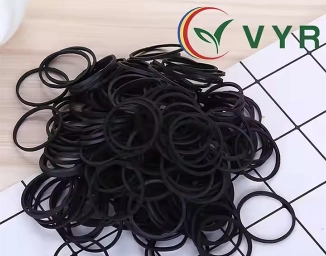
Now, rubber bands are more forward than before. Stuff has changed, and so have their jobs. It is not only natural rubber these days. Man-made mixes add for extra power or special bits.
Fresh Stuff and Tools
Man-made rubber showed up in the 1900s, from oil. It was less cash and simpler to make, mainly in rubber short times. Today, bands mix natural and man-made kinds for top work. Some fight sun rays, so they do not break down outside. Others skip latex to dodge skin issues.
Tools help too. Machines shape bands in own forms – thick for heavy stuff, thin for light jobs. Colors aid in grouping: red for one, blue for next. The evolution and development of rubber bands keeps testing limits.
Green Changes
With earth worries up, makers aim at safe sources. Some bands come from well-picked trees. Others use reused bits. It shows care for the world while holding the pull we like.
In work fields, bands take hard tasks. They group lines in tech spots or fix parts in making. At home, they join crafts, workouts (like pull bands), and even style add-ons.
Rubber Bands in Trade: Growing Names and Trust
Rubber bands do more than grip. They aid in making faith in names. Firms that create them stress grade to shine. Fine bands mean less breaks, less toss. This trust lifts a group’s fame.
For own names, think starters. A cook using strong bands for packs shows thought. An artist grouping tools with bright ones adds style. It is small, but it counts. The evolution and development of rubber bands backs this – from plain aids to signs of speed.
In world trade, givers link makers to users far. They deal with moves, keep flow steady, and shift with ways. This link holds new ideas going.
Here is a fast view at how rubber bands touch different fields:
|
Field |
Usual Ways |
Good Points |
|
Work Spot |
Grouping papers, sorting files |
Keeps neat, cuts time |
|
Farm |
Tying crops, closing bags |
Lasts in rain, cheap |
|
Health |
Gripping goods, workout tools |
Clean choices there |
|
Crafts |
Own projects, bead making |
Many colors and sizes |
These cases show their broad touch. Quick points note main pluses:
- Pull without snap.
- Cheap for big buys.
- Fit many jobs.
Hard Spots and Next Roads
Not all is easy. Flow chains can slip with sky changes hitting rubber trees. Costs go up and down. But fixes come. Hunt for life-based swaps grows. Print in 3D might shape bands on call.
Ahead, smart bands could add feelers for watch. Think ones that warn when pulled too much. The evolution and development of rubber bands is not over.
Bringing in Zhejiang VIET-Y Rubber Products Co., Ltd.
Set in Yiwu City, Zhejiang Province, Zhejiang VIET-Y Rubber Products Co., Ltd. acts as a main spot in the rubber band series products give chain. Started in 2010, this group focuses on making top-grade rubber bands that hit buyers around the globe. They hold to an easy thought: put buyers first and keep grade high. With stress on natural stuff and own picks, they meet mixed wants – from daily ties to special uses. Their crew deals with all from plan to send, making them a sure giver in the area.
Wrap Up
Rubber bands have gone far. From old latex balls to now’s strong rings, their evolution and development shows human smarts. They fix issues large and tiny, quietly backing daily rounds. As we eye ahead, wait for more fresh ways that mix old with new. If you tie a bunch or grow a name, these small bands hit hard.
FAQs
What kicked off the early evolution and development of rubber bands?
It started with the find of natural rubber by old groups in the Americas. Folks from Europe fixed it later through vulcanization in the 1800s. That led to the first owned bands in 1845. This changed a gooey sap into handy rings.
How did stuff shift in the evolution and development of rubber bands?
First ones used clean natural latex, but now man-made adds for power and no-skin-issue picks. Green kinds from safe sources are catching on too.
What part do rubber bands play in fresh fields?
They group items in work spots, close crops in farms, and help pulls in workouts. Their pull and last make them key over fields.
Are there next ways in the evolution and development of rubber bands?
Yes, watch for life stuff and smart bits like feelers. Shape through tools like 3D print could change how we use them.
How can good givers touch the evolution and development of rubber bands?
Sure givers push new by getting fine stuff and meeting world wants. They aid shift the field to better, greener items.

Latest News
-
Jun. 04, 2026TPU Elastics Safety & Compliance for B2B Food and Hygiene Packaging 2026VIET-Y offers high elastic food grade TPU rubber bands with FDA and EU compliance for food and hygiene packaging. Superior durability, abrasion resistance and safety. Contact us for samples and bulk custom solutions.
-
Jun. 04, 2026Customizable Rubber Bands: Key to B2B Organization and Efficiency in 2026VIET-Y specializes in high-elasticity natural rubber bands and customizable elastic bands for B2B logistics, offices, and supply chains. Durable, color-coded solutions with strong rebound deliver reliable performance and workflow efficiency. Contact us for a free quote.
-
May. 28, 2026Reliable Wholesale Rubber Band Suppliers: B2B Sourcing Guide 2026VIET-Y offers reliable wholesale rubber band solutions with strict quality control, OEM/ODM capability, timely delivery, and ISO certification. This B2B sourcing guide helps buyers select trusted suppliers for sustainable supply chains in 2026.


